Currently Empty: ₹0.00


A wobbly bar stool may not seem like a big problem at first, but once someone sits on it, the discomfort is obvious. Whether it’s a customer in a café or a guest at your home counter, unstable seating makes people feel uneasy and unsafe.Many people select bar stools only based on how they look. But design alone is not enough. Strength, balance, and build quality play a huge role in how a stool performs every day. The good part is that you don’t need to choose between safety and style; you can have both.This guide explains why bar stools wobble, what mistakes to avoid, and how to choose bar stools that are strong, comfortable, and good-looking.
Why Do Bar Stools Wobble?Most bar stools don’t wobble because of use. They wobble because of poor design or low-quality construction.Common reasons include:Narrow or weak bases
Loose joints or cheap fittings
Very lightweight frames used in busy areas
Wrong stool height for the counter
Uneven floors without adjustable feet
Knowing these issues helps you avoid problems before buying.
Why Stability Really Matters :A stable bar stool gives confidence the moment someone sits on it.In cafés and restaurants, unstable stools can:Make customers uncomfortable
Create safety risks
Leave a bad impression
In homes or offices, they affect posture and daily comfort. A good bar stool should feel firm, balanced, and secure—not shaky or loose.
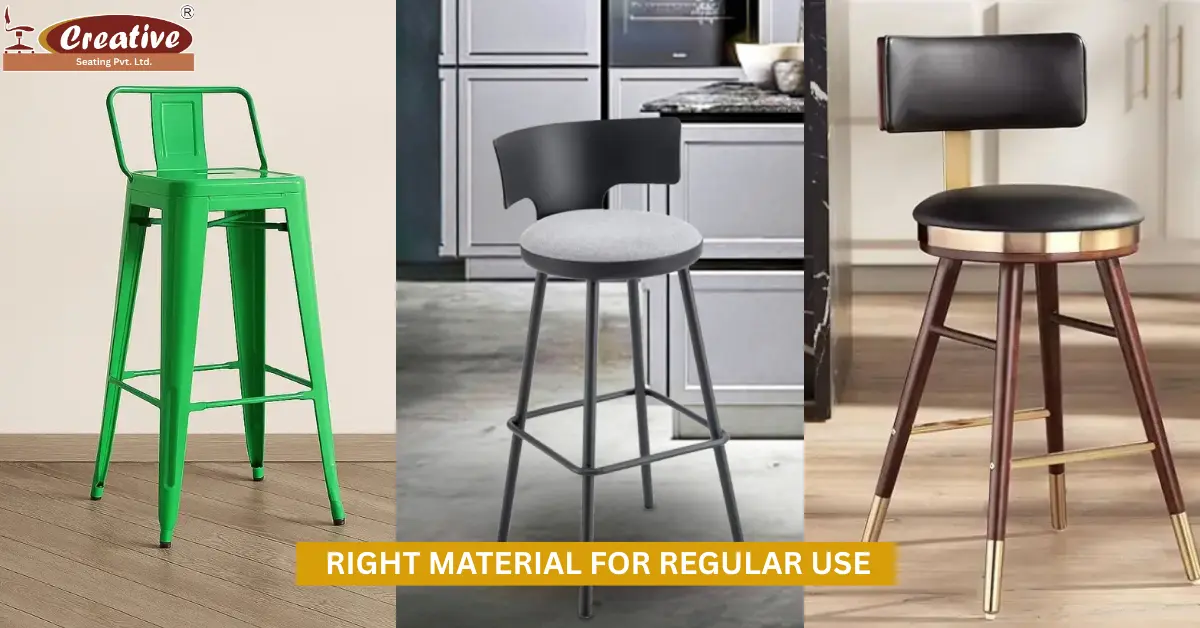
What to Look for in a Safe Bar Stool1. Strong Base DesignA wide base or evenly spaced legs help spread the weight properly. Avoid stools that look too slim or top-heavy at the bottom.2. Right Material for Regular UseMetal bar stools are best for cafés and high-traffic areas
Plastic or polypropylene stools work well when they are single-moulded and commercial-grade
Wooden stools look warm and stylish but should be well-crafted and mostly used indoors
Always choose stools made for daily use, not just decoration.
3. Correct Height Is ImportantIf the stool height doesn’t match the counter, people sit awkwardly, which causes imbalance.Counter height stools: 24–26 inches
Bar height stools: 28–30 inches
Right height means better comfort and stability.4. Footrests Make a Big DifferenceA footrest helps users sit properly, reduces leg strain, and prevents leaning. It may look small, but it adds a lot of comfort.5. Adjustable Feet Help on Uneven Floors
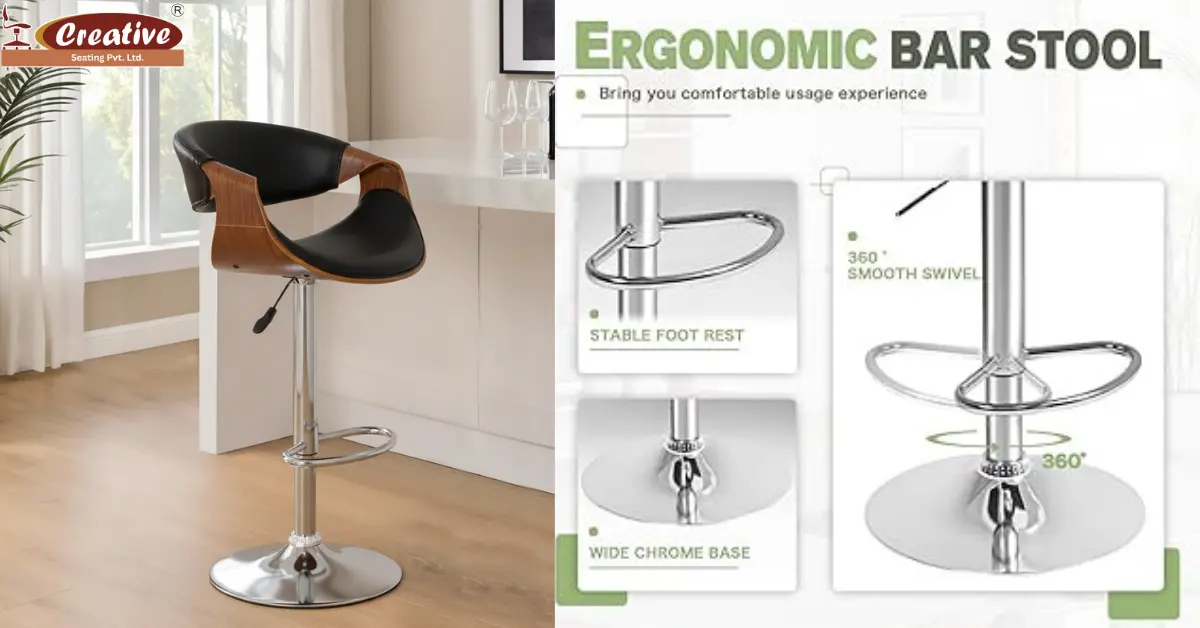
Adjustable feet keep stools steady on uneven surfaces and protect the flooring. This is especially useful in cafés and commercial spaces.Fixed vs Swivel Bar StoolsFixed bar stools are more stable and perfect for busy cafés
Swivel stools offer flexibility but need a strong base and smooth mechanism
If you choose swivel stools, quality matters more than ever.
Conclusion :
A wobbly bar stool usually means weak design or poor-quality materials. The right bar stool should feel stable, comfortable, and balanced from the first use.
By paying attention to base design, material quality, height, and daily usability, you can easily choose stools that last longer and feel better. Today’s bar stools offer both strength and modern style—you don’t have to compromise.
Whether it’s for a café, office, or home bar, good seating always makes a space more inviting.
Frequently Asked Questions (FAQ) :
1. Why does my bar stool wobble?
Usually due to weak joints, narrow bases, uneven floors, or low-quality materials.
2. Are metal bar stools more stable than plastic ones?
Yes, especially for commercial use, high-quality metal stools offer better stability.
3. What is the safest bar stool for cafés?
Fixed stools with wide bases and strong frames are the safest choice.
4. Can bar stools be used on uneven floors?
Yes, stools with adjustable feet work well on uneven surfaces.
5.Do swivel stools wobble more?
They can if the base is light or poorly made. A heavy base improves stability.
6. What height should a bar stool be?
24–26 inches for counters and 28–30 inches for bar-height tables.
7. Are plastic bar stools safe for commercial use?
Yes, if they are single-moulded and made for commercial environments.