Currently Empty: ₹0.00

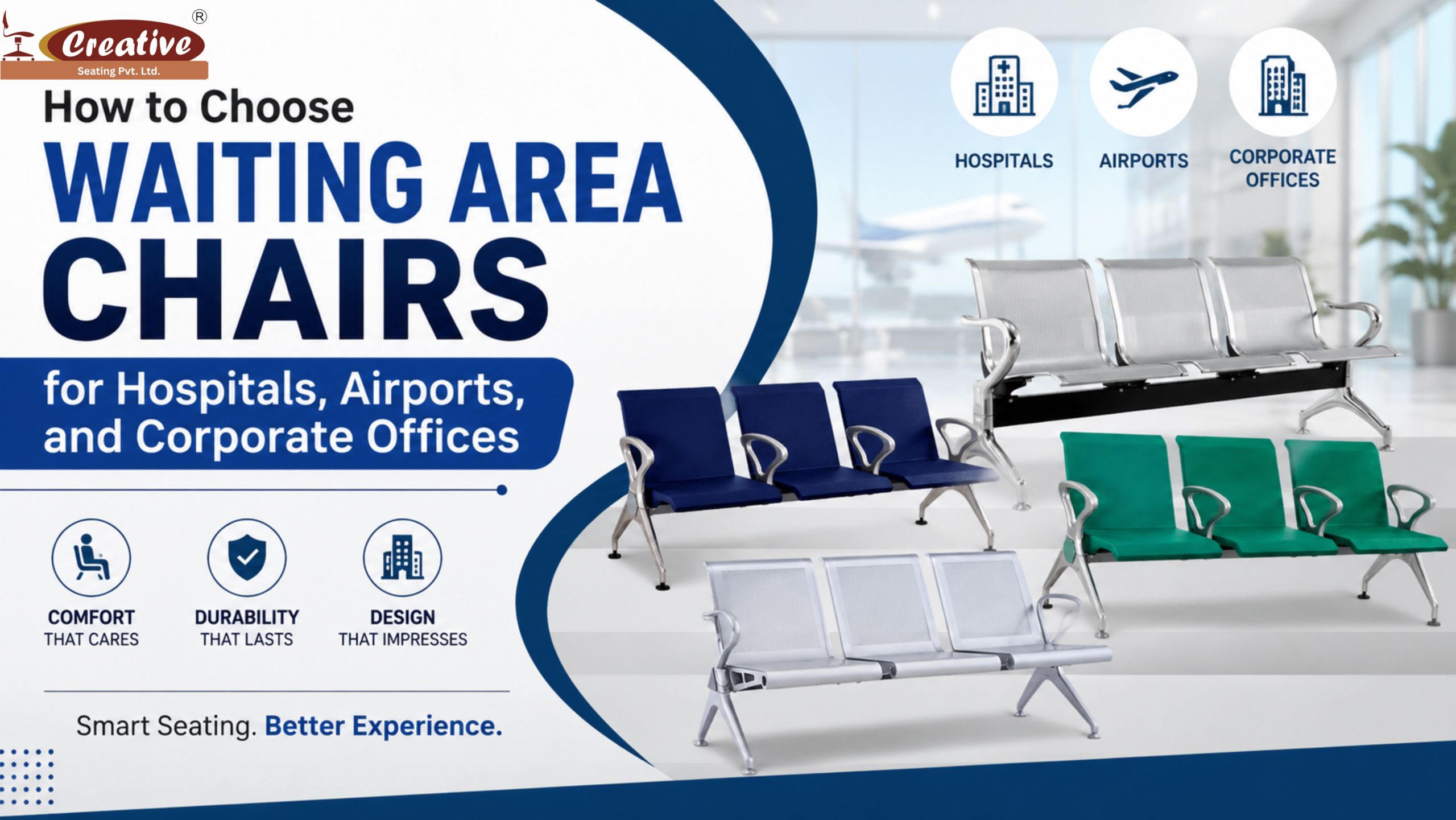
When visitors walk into a hospital, airport, corporate office, or public facility, the waiting area is often the first space they experience. Before they meet a doctor, board a flight, attend a meeting, or complete a service, they spend time sitting and waiting.
This is why waiting area furniture plays a much bigger role than many businesses realize.
Comfortable, durable, and well-designed waiting area chairs not only improve the visitor experience but also reflect your organization’s professionalism. Whether it’s a patient waiting for an appointment, a traveler waiting for a flight, or a client visiting your office, the right seating creates a positive first impression.
However, choosing waiting area chairs is not as simple as selecting attractive furniture. Factors such as comfort, durability, maintenance, space planning, and user needs should all be considered before making a decision.
In this guide, we’ll explore everything you need to know about selecting the right waiting area chairs for hospitals, airports, and corporate offices.
Why Waiting Area Seating Matters
Many organizations focus heavily on reception desks, interior design, and technology but overlook the importance of seating.
The reality is simple: people remember how comfortable they felt while waiting.
Poor seating can create frustration, discomfort, and a negative perception of your business. On the other hand, comfortable and thoughtfully designed seating can improve visitor satisfaction and enhance your brand image.
Quality waiting area seating offers several benefits:
- Improves visitor comfort
- Creates a professional appearance
- Supports better space utilization
- Enhances customer experience
- Reduces furniture replacement costs
- Handles high daily foot traffic efficiently
For commercial environments where hundreds of people may use seating every day, investing in durable waiting lounge chairs is essential.
Understanding Different Waiting Area Requirements
Not all waiting spaces serve the same purpose. A hospital waiting room has different needs compared to an airport lounge or a corporate reception area.
Before purchasing seating, consider the environment where it will be used.
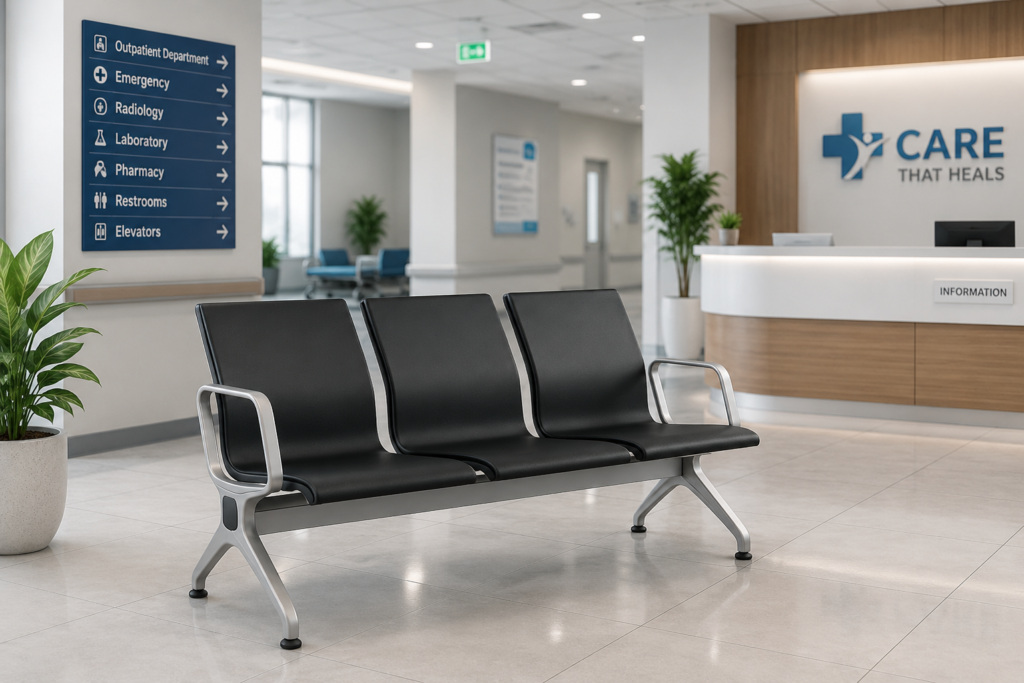
1.Hospital Waiting Areas
Hospital visitors often spend extended periods waiting for appointments, treatments, or test results.
Hospital seating should focus on:
- Long-term comfort
- Easy cleaning and maintenance
- Hygienic materials
- Strong construction
- Accessibility for elderly visitors
Hospitals should avoid overly soft seating that may be difficult for elderly patients to get in and out of. Ergonomic support and proper seat height are important considerations.
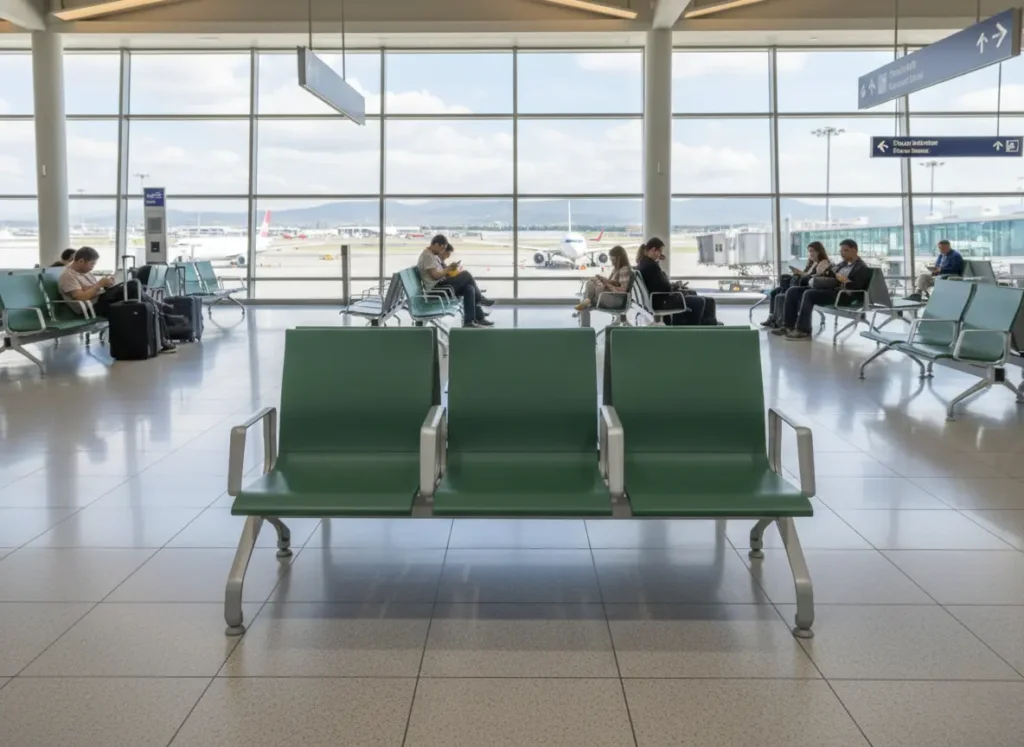
Airport Waiting Areas
Airports experience extremely high foot traffic every day.
Airport seating must provide:
- Maximum durability
- Space efficiency
- Comfortable support for long waiting periods
- Easy maintenance
- Modular seating arrangements
Since travelers often carry luggage, airport seating should allow enough space for movement while maintaining an organized layout.
Corporate Offices
Corporate reception areas serve as the face of the company.
Visitors, clients, and job candidates form opinions about a business based on their waiting experience.
Corporate office seating should offer:
- Modern aesthetics
- Professional appearance
- Comfortable cushioning
- Brand-aligned design
- Long-lasting quality
The seating style should complement the overall office interior while maintaining functionality.
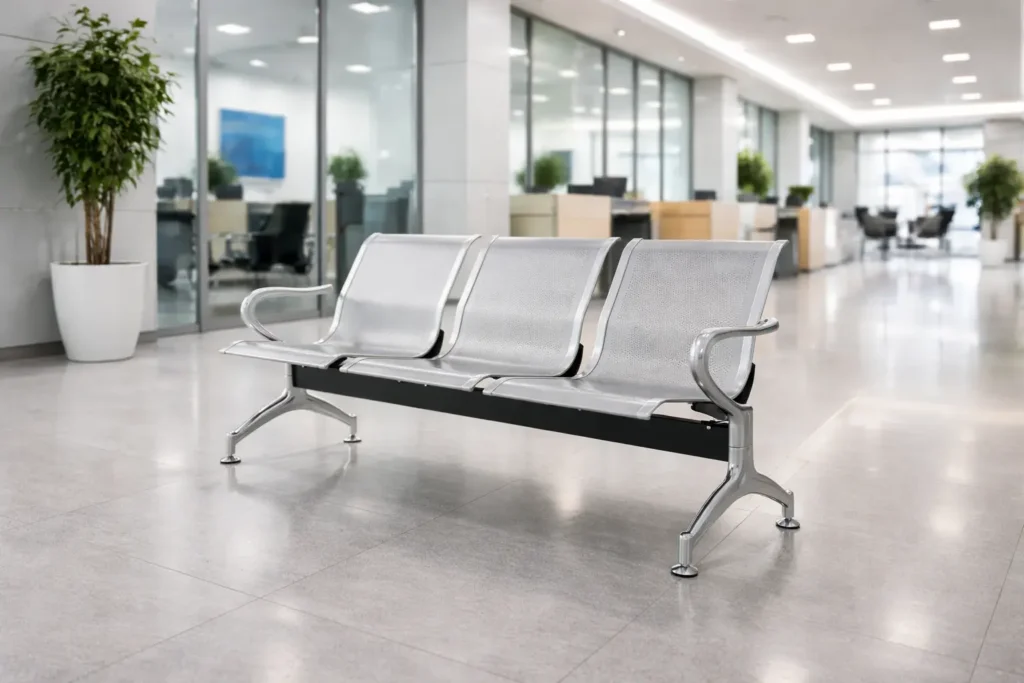
Key Factors to Consider Before Buying Waiting Area Chairs
1. Comfort Should Be the Top Priority
Comfort directly impacts the visitor experience.
People may spend anywhere from 10 minutes to several hours waiting, depending on the environment. Chairs should provide adequate back support and comfortable seating without causing discomfort.
Look for features such as:
- Ergonomic backrests
- Proper seat depth
- Comfortable cushioning
- Armrest support
- Good posture alignment
Comfortable seating helps reduce fatigue and creates a more welcoming atmosphere.
2. Choose Durable Materials
Commercial seating experiences significantly more usage than residential furniture.
The materials used in waiting area chairs should withstand constant daily use.
Popular options include:
Metal Frames
Metal frames offer excellent strength and durability. They are ideal for hospitals, airports, railway stations, and public facilities where furniture must handle heavy usage.
Powder-Coated Steel
Powder-coated finishes provide additional protection against corrosion, scratches, and wear.
Premium Upholstery
High-quality fabric or leatherette upholstery provides comfort while maintaining a professional appearance.
For healthcare environments, easy-to-clean upholstery is particularly important.
3. Consider Maintenance Requirements
Furniture maintenance directly affects long-term operating costs.
Choose chairs that are easy to clean and maintain.
Healthcare facilities should prioritize:
- Stain-resistant materials
- Antibacterial surfaces
- Easy sanitization
Corporate offices may prioritize premium aesthetics, while airports often require low-maintenance solutions that can withstand continuous use.
Investing in easy-maintenance furniture reduces replacement and repair expenses over time.
4. Optimize Available Space
Waiting areas often have limited space.
Before purchasing seating, evaluate:
- Room dimensions
- Daily visitor volume
- Walking pathways
- Emergency exits
- Reception desk placement
Modular waiting lounge seating can help maximize seating capacity without making the area feel crowded.
A well-planned layout creates a comfortable flow for visitors and staff alike.
5. Prioritize Ergonomic Design
Ergonomics is no longer limited to office chairs.
Waiting area seating should support the body’s natural posture and reduce physical strain.
Features that improve ergonomics include:
- Lumbar support
- Proper seat angles
- Arm support
- Balanced cushioning
- Comfortable backrests
Ergonomic seating improves comfort levels for visitors who may need to remain seated for extended periods.
6. Think About Accessibility
Accessibility is especially important in hospitals, government facilities, and public spaces.
Waiting area furniture should accommodate:
- Elderly visitors
- People with disabilities
- Pregnant women
- Patients with mobility challenges
Accessible seating demonstrates inclusivity and improves the experience for all visitors.
7. Match Seating with Interior Design
Waiting area furniture should complement the overall design of the space.
For example:
- Hospitals often prefer clean and calming color schemes.
- Corporate offices may choose premium modern designs.
- Airports generally focus on functionality and durability.
The goal is to create a consistent visual experience that aligns with your brand identity.
Modern waiting lounge seating can help create a welcoming environment while maintaining a professional appearance.
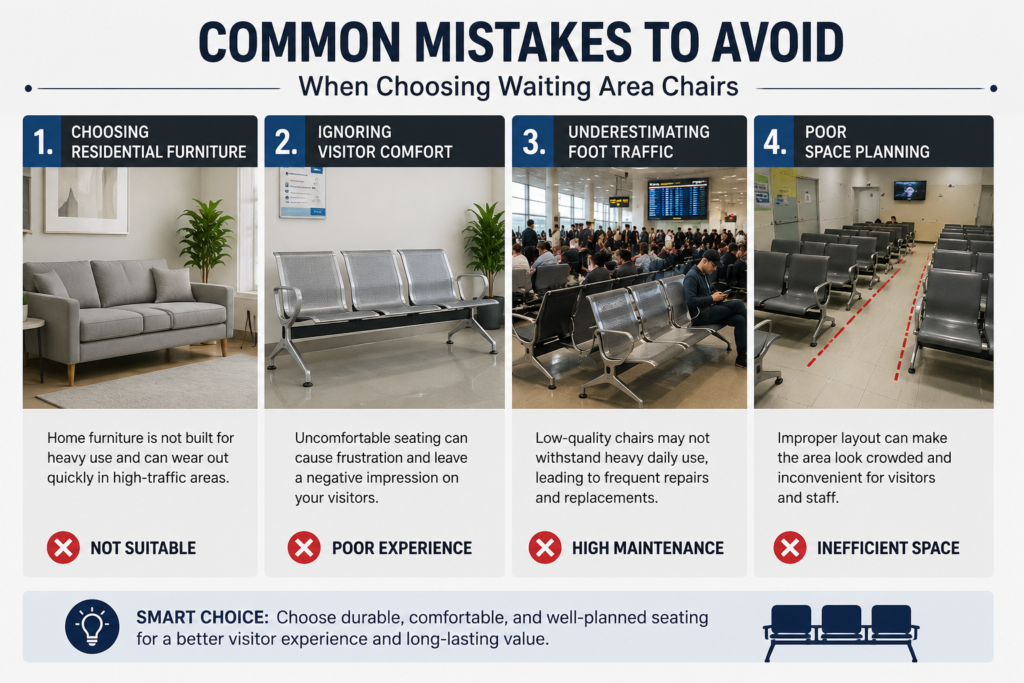
Common Mistakes to Avoid
Many businesses make furniture decisions based solely on price.
This often leads to higher replacement costs in the future.
Avoid these common mistakes:
1.Choosing Residential Furniture
Residential furniture is not designed for heavy commercial usage.
Commercial-grade seating offers significantly better durability and longevity.
2.Ignoring Visitor Comfort
Attractive furniture may look good but fail to provide adequate comfort.
Always prioritize user experience.
3.Underestimating Foot Traffic
High-traffic environments require stronger materials and construction.
Selecting lightweight or low-quality furniture may result in frequent repairs.
4.Poor Space Planning
Overcrowded seating arrangements can make visitors feel uncomfortable.
Proper spacing improves both comfort and accessibility.
Why Commercial Waiting Lounge Chairs Are a Smart Investment
Quality waiting lounge chairs provide long-term value.
Benefits include:
- Longer furniture lifespan
- Better visitor satisfaction
- Reduced maintenance costs
- Enhanced professional image
- Improved comfort levels
- Stronger return on investment
For businesses and institutions that receive regular visitors, commercial seating should be viewed as a long-term investment rather than a short-term expense.
Conclusion
Choosing the right waiting area chairs for hospitals, airports, and corporate offices requires careful planning. Comfort, durability, maintenance, ergonomics, accessibility, and design all play important roles in creating an effective waiting environment.
The right seating solution can improve visitor experiences, strengthen your brand image, and reduce long-term furniture costs. Whether you’re designing a healthcare facility, transportation hub, or corporate reception area, investing in high-quality waiting lounge seating ensures your visitors feel comfortable, welcomed, and valued.
A thoughtfully designed waiting area is more than just a place to sit—it is an extension of your organization’s commitment to quality and customer experience.
Frequently Asked Questions (FAQs)
1. What type of chairs are best for hospital waiting areas?
Hospital waiting areas benefit from ergonomic, easy-to-clean, durable chairs with comfortable back support and hygienic surfaces.
2. Why is commercial seating better than residential furniture for waiting areas?
Commercial seating is designed for heavy daily use, offering greater durability, stronger materials, and lower maintenance requirements.
3. How many chairs should a waiting area have?
The number depends on available space, expected visitor traffic, and operational requirements. Proper spacing should always be maintained for comfort and accessibility.
4. What materials are best for waiting lounge chairs?
Metal frames, powder-coated steel, high-quality upholstery, and easy-to-clean surfaces are among the most durable options for commercial environments.
5. How often should waiting area furniture be replaced?
High-quality commercial seating can last many years with proper maintenance. Regular inspections can help identify repair or replacement needs before issues arise.
6. Why is ergonomic seating important in waiting rooms?
Ergonomic seating supports proper posture, improves comfort, and reduces physical strain during extended waiting periods.
7. How can waiting area furniture improve customer experience?
Comfortable and attractive seating creates a positive first impression, enhances visitor satisfaction, and reflects professionalism.