
Currently Empty: ₹0.00

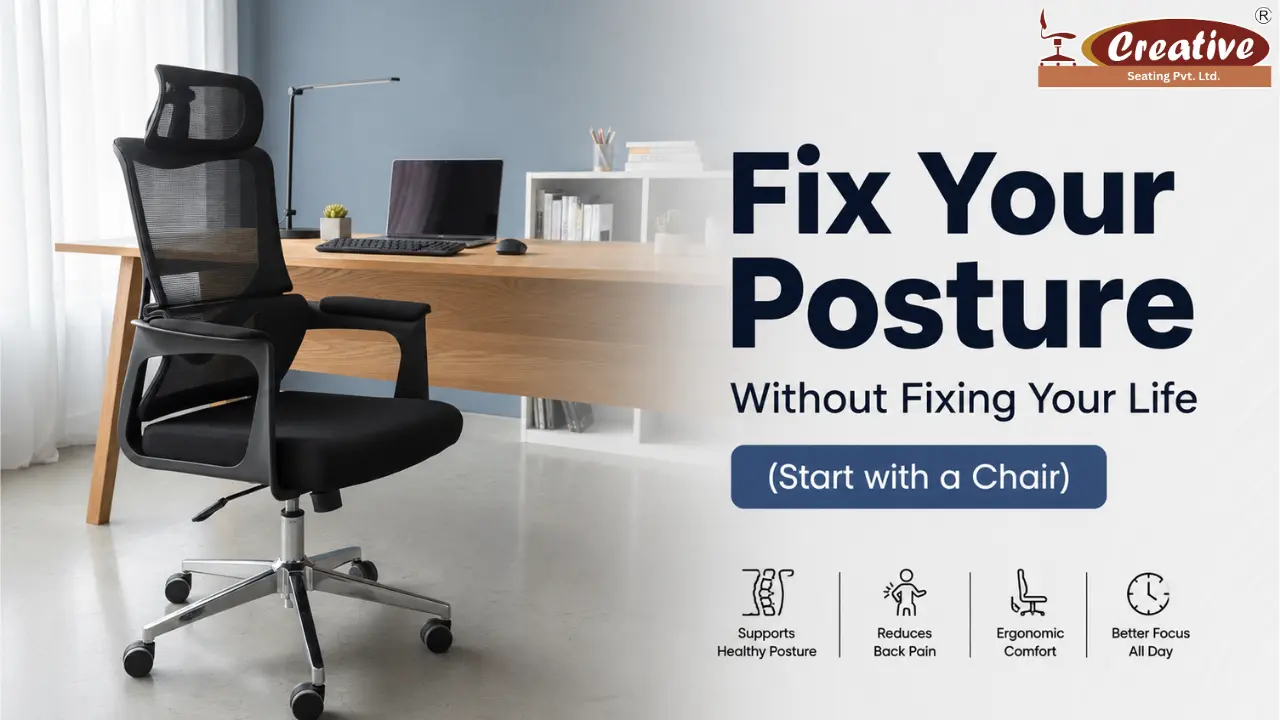
Let’s be honest. Most of us are not sitting correctly right now.
Maybe you’re reading this while leaning forward at your desk, curled into your couch, or balancing a laptop on your bed. Modern work culture has quietly turned bad posture into a daily habit. We spend hours sitting, often without realizing how much pressure we’re putting on our spine, shoulders, and neck.
The result? Constant back pain, stiffness, fatigue, poor focus, and that annoying shoulder tension that never really goes away.
Here’s the good news: you do not need to completely change your lifestyle to improve your posture. You don’t need a strict yoga routine, expensive therapy sessions, or a perfect morning routine.
Sometimes, the first real change starts with something simple – your chair.
A well-designed posture correction chair can make a bigger difference than most people expect. Whether you work from home, spend long hours at an office desk, or simply sit for extended periods during the day, the right chair supports your body in ways your current setup probably doesn’t.
In this blog, we’ll explore how posture affects your health, why your chair matters more than you think, and how choosing the right ergonomic seating can improve comfort, productivity, and long-term wellness.
Why Bad Posture Has Become So Common
Bad posture isn’t always caused by laziness. In many cases, it’s simply the result of modern life.
Think about your average day:
- Sitting through meetings
- Working on laptops for hours
- Looking down at phones
- Slouching while watching TV
- Spending little time stretching or moving
Our bodies were never designed to stay in one seated position for 8–10 hours daily. Unfortunately, traditional chairs often make things worse by encouraging slouching and poor spinal alignment.
Over time, this creates problems like:
- Lower back pain
- Neck stiffness
- Rounded shoulders
- Reduced blood circulation
- Muscle fatigue
- Headaches
- Poor concentration
This is exactly why more people are now searching for a reliable office chair for back pain that supports both comfort and posture.
Your Chair Affects More Than Your Back
Most people think posture is only about appearance. But posture affects nearly every part of your daily life.
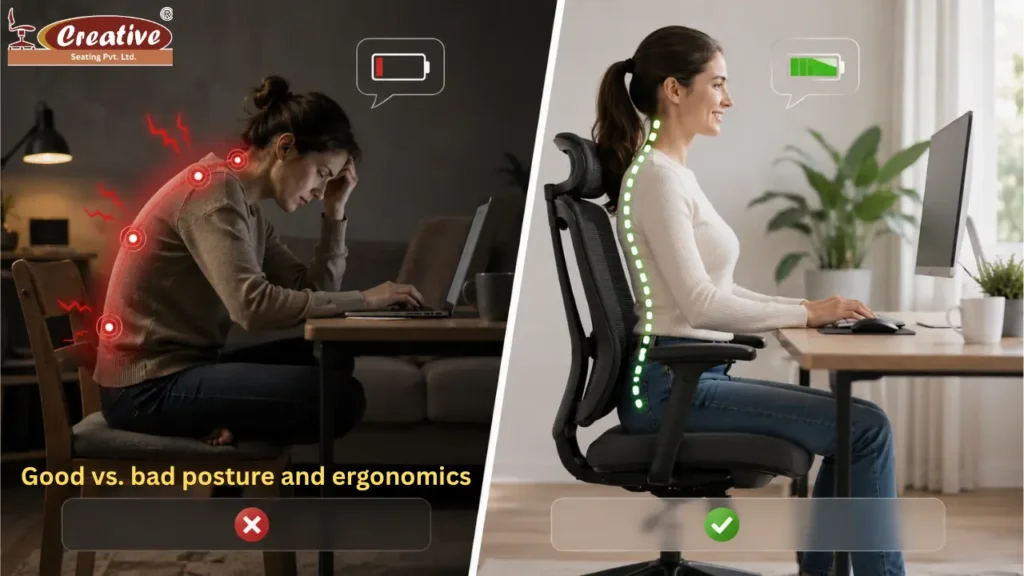
When your spine is unsupported, your body works harder to stay balanced. This extra strain impacts your muscles, breathing, energy levels, and even your mood.
A poor sitting setup can lead to:
1.Reduced Productivity
Discomfort makes it difficult to focus. If you constantly adjust your sitting position or deal with pain, your work quality naturally drops.
2.Increased Fatigue
Bad posture forces muscles to overwork, causing exhaustion even after simple desk tasks.
3.Long-Term Health Problems
Chronic poor posture may contribute to spinal issues, joint pain, and muscle imbalances over time.
4.Poor Work-From-Home Experience
Many remote workers use dining chairs, sofas, or beds as workstations. While convenient at first, these setups often create long-term discomfort.
That’s why investing in a proper work-from-home chair is no longer a luxury – it’s becoming a necessity.
What Is an Ergonomic Chair?
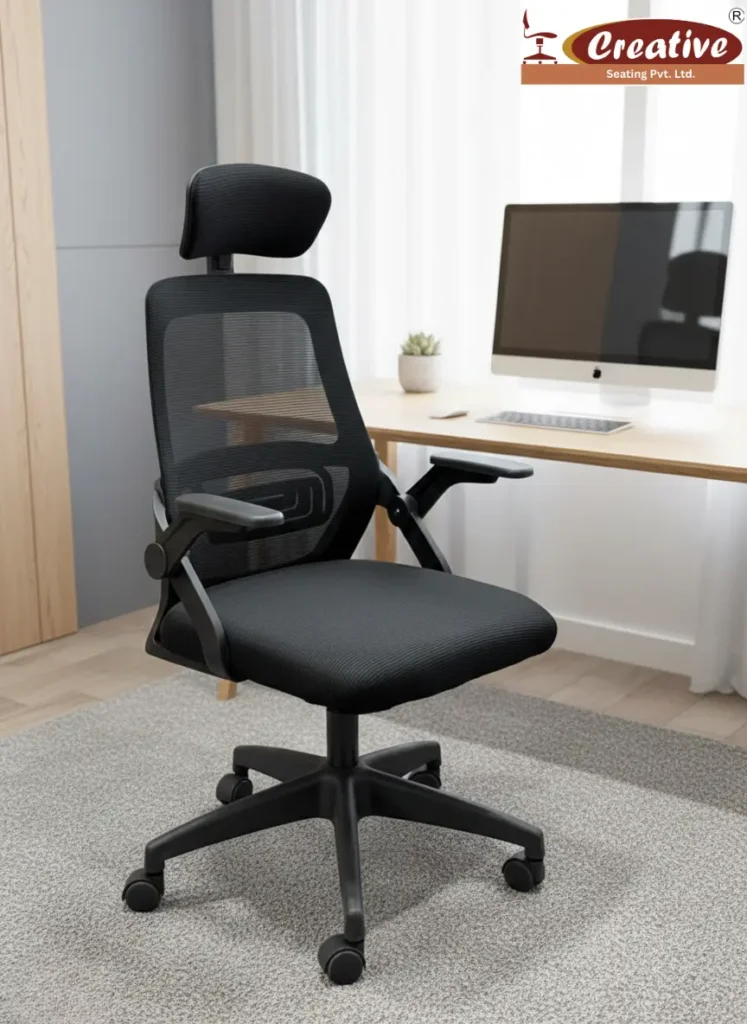
An ergonomic chair is specifically designed to support the natural shape and movement of the human body.
Unlike standard chairs, ergonomic chairs adjust to your posture instead of forcing your body into awkward positions.
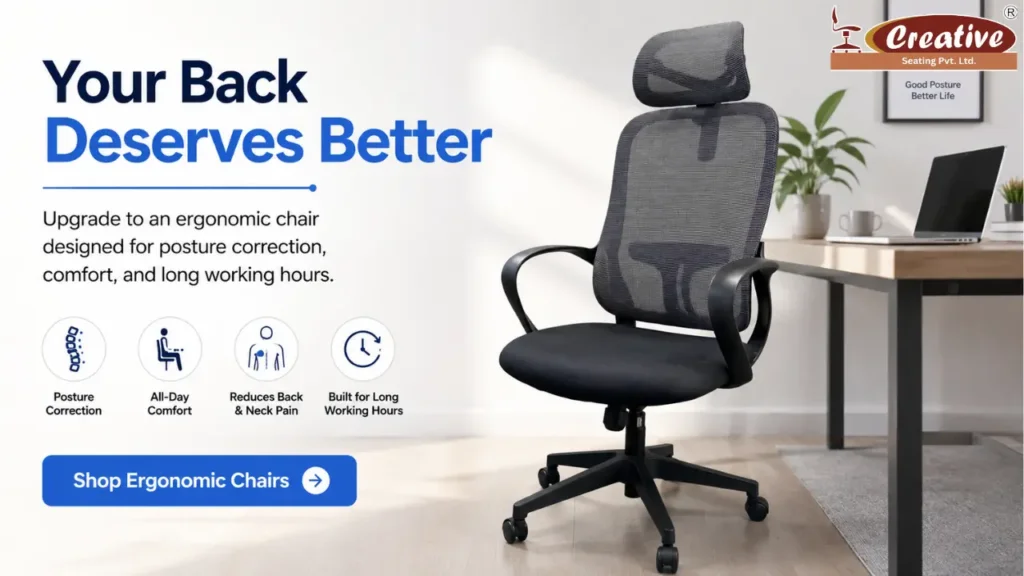
A quality ergonomic chair typically includes:
- Adjustable seat height
- Lumbar support
- Adjustable armrests
- Reclining functionality
- Neck and head support
- Breathable materials
- Proper seat depth
The goal is simple: reduce strain while helping your body maintain healthy alignment throughout the day.
This is why people searching for a comfortable office chair often end up choosing ergonomic designs.
How Ergonomic Chairs Improve Posture
Many people underestimate how ergonomic chairs improve posture until they actually use one consistently.
Here’s what happens when your chair properly supports your body:
1. Your Spine Stays Aligned
An ergonomic chair supports the natural curve of your spine, reducing slouching and forward leaning.
2. Your Shoulders Relax
Proper arm support prevents shoulder tension and upper-back strain.
3. Your Neck Experiences Less Pressure
Adjustable headrests help reduce “tech neck,” especially for people working on computers all day.
4. Your Hips and Knees Stay Balanced
Correct seating angles improve circulation and reduce pressure on joints.
5. You Move More Naturally
Good ergonomic chairs encourage healthy movement instead of locking your body into rigid positions.
The best part? These improvements happen gradually and naturally, often without conscious effort.
Signs You Need a Better Chair
Not sure whether your chair is causing posture problems?
Here are some common warning signs:
- You experience back pain after work
- Your shoulders feel tight constantly
- You lean forward while typing
- Your neck hurts frequently
- You feel tired after sitting
- Your current chair lacks lower back support
- You keep shifting positions to get comfortable
If these symptoms sound familiar, upgrading to the best ergonomic chair for posture correction could dramatically improve your daily comfort.
What Makes the Best Ergonomic Chair for Posture Correction?
Not all chairs labeled “ergonomic” are truly supportive. Some look modern but fail to provide real posture benefits.
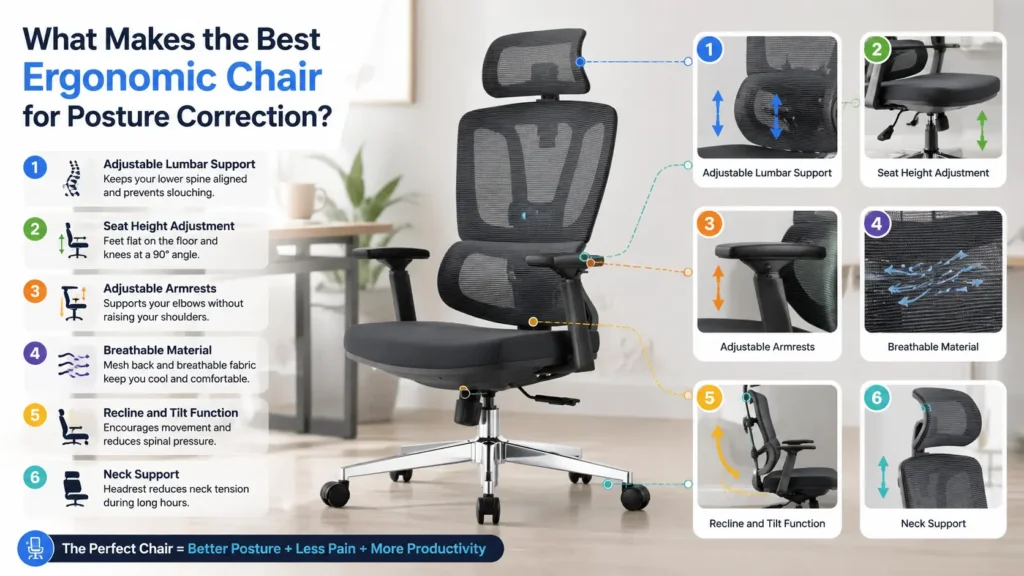
When searching for the best ergonomic chair for posture correction, focus on these essential features:
1.Adjustable Lumbar Support
This is one of the most important features. Proper lumbar support keeps the lower spine aligned and prevents slouching.
2.Seat Height Adjustment
Your feet should rest flat on the floor while your knees remain at a 90-degree angle.
3.Adjustable Armrests
Armrests should support your elbows without forcing your shoulders upward.
4.Breathable Material
Mesh backs and breathable fabrics improve airflow and comfort during long work sessions.
5.Recline and Tilt Function
Dynamic seating encourages movement and reduces spinal pressure.
6.Neck Support
A headrest can significantly reduce neck tension during long hours of sitting.
These features are especially important if you’re looking for the best chair for long working hours.
Why Work-From-Home Professionals Need Better Chairs
Remote work has changed how we sit.
Many people now spend entire days at makeshift desks, kitchen tables, or couches. While this may feel comfortable initially, poor seating quickly leads to physical discomfort.
A dedicated chair for back pain relief at home can help remote workers:
- Improve focus
- Reduce physical strain
- Increase productivity
- Prevent long-term posture damage
- Create healthier work habits
Your workspace affects your performance more than you realize. A proper chair is one of the easiest upgrades you can make for your health and productivity.
The Connection Between Comfort and Productivity
People often think productivity is purely mental. But physical comfort plays a massive role in how effectively we work.
A supportive comfortable office chair allows you to:
- Stay focused longer
- Reduce distractions caused by pain
- Maintain energy throughout the day
- Improve work quality
- Feel less exhausted after work
When your body feels supported, your brain works better too.
Can a Chair Alone Fix Your Posture?
Let’s be realistic.
A chair is not magic.
You still need healthy habits like movement, stretching, hydration, and proper desk setup. But your chair acts as the foundation for all of these habits.
Think about it this way:
If you spend 8 hours daily sitting incorrectly, even regular workouts may not fully counteract that strain.
A good posture correction chair reduces damage while supporting healthier positioning throughout the day.
Small daily improvements often create the biggest long-term results.
Simple Tips to Improve Posture While Sitting
Even with the best ergonomic chair, your sitting habits still matter.
Here are some practical posture tips:
Keep Feet Flat on the Floor
Avoid crossing your legs for extended periods.
Position Your Screen at Eye Level
This reduces neck strain and forward head posture.
Sit Back Fully in the Chair
Use the backrest instead of leaning forward constantly.
Take Movement Breaks
Stand, stretch, or walk every 30–60 minutes.
Relax Your Shoulders
Avoid hunching while typing.
Use Armrests Correctly
Your elbows should stay close to your body at about 90 degrees.
Combining these habits with the right office chair for back pain creates a much healthier work environment.
Investing in Health Instead of Temporary Comfort
Many people spend money on gadgets, subscriptions, or home décor without thinking twice. Yet they hesitate to invest in the one thing they use for hours every day – their chair.
The truth is, poor seating eventually costs more through:
- Back pain treatments
- Reduced productivity
- Physical discomfort
- Fatigue
- Medical expenses
Choosing the best chair for long working hours is not just about comfort. It’s about protecting your health for years to come.
Frequently Asked Questions
Can a chair really improve posture?
Yes. A properly designed ergonomic chair supports spinal alignment, reduces slouching, and encourages healthier sitting habits. While a chair alone won’t completely fix posture problems, it plays a major role in improving daily body positioning.
What is an ergonomic chair?
An ergonomic chair is a specially designed chair that supports the body’s natural posture. It usually includes adjustable features like lumbar support, seat height, armrests, and reclining functions to improve comfort and reduce strain.
Which chair is best for back pain?
The best chair for back pain is one that provides strong lumbar support, adjustable seating positions, and proper spinal alignment. Ergonomic chairs are generally considered the best option for reducing back discomfort during long sitting hours.
How long should I sit in a chair daily?
Even with a good chair, it’s recommended to take movement breaks every 30–60 minutes. Long periods of continuous sitting can negatively affect posture, circulation, and overall health.
What features should an ergonomic chair have?
A good ergonomic chair should include:
- Adjustable lumbar support
- Seat height adjustment
- Adjustable armrests
- Reclining functionality
- Neck support
- Breathable materials
- Proper cushioning
These features help improve posture and reduce physical strain during work.
Conclusion
You do not need to completely transform your life overnight to start feeling better physically.
Sometimes, meaningful change begins with one simple decision.
Your chair may seem like a small part of your daily routine, but it directly affects your posture, comfort, energy, and long-term health. Whether you work in an office or remotely, investing in the right work from home chair or ergonomic seating setup can significantly improve how your body feels every single day.
A supportive posture correction chair helps reduce back pain, encourages healthier posture, and creates a more comfortable working experience without requiring drastic lifestyle changes.
Because improving your posture doesn’t always start with discipline, workouts, or complicated routines.
Sometimes, it simply starts with a better chair.

