
Currently Empty: ₹0.00

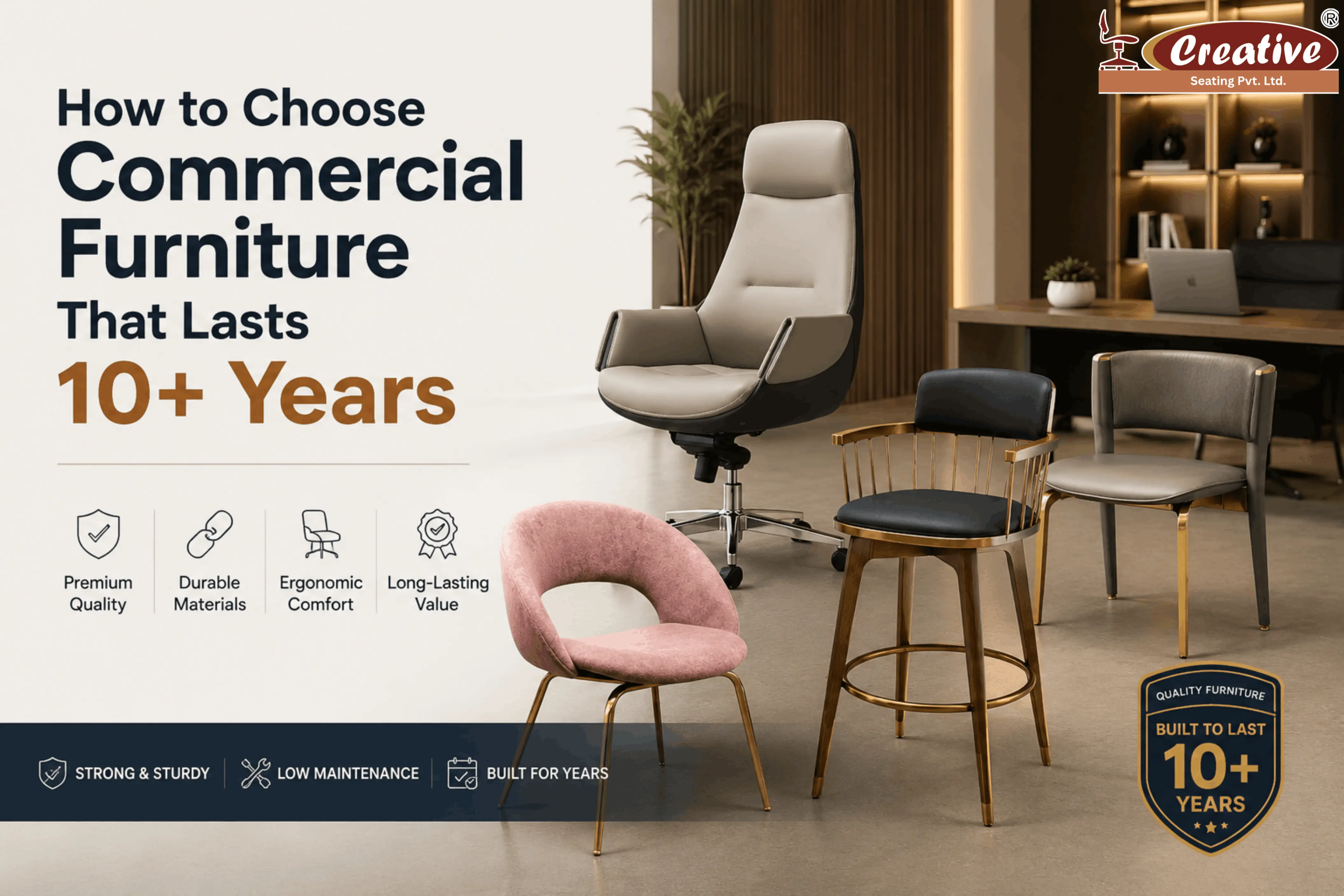
When you’re investing in commercial furniture, you’re not just buying chairs and tables-you’re investing in the comfort, productivity, and image of your business. Whether you own an office, cafe, restaurant, hotel, educational institute, or healthcare facility, choosing the right furniture can save you money, reduce maintenance costs, and provide years of reliable performance.
Unfortunately, many businesses focus only on the lowest price. While this may seem like a smart decision initially, inexpensive furniture often wears out quickly, requires frequent repairs, and needs replacement within a few years. In contrast, high-quality commercial furniture is designed to handle daily use while maintaining its appearance and functionality.
In this commercial furniture buying guide, we’ll explain the most important factors to consider so you can confidently choose furniture that lasts 10 years or more.
Why Commercial Furniture Is Different from Residential Furniture
Commercial furniture is specifically designed for environments where it will be used every day by multiple people.
Unlike residential furniture, commercial furniture offers:
- Stronger frames
- Better-quality materials
- Higher weight capacity
- Longer durability
- Easy maintenance
- Better warranties
- Professional appearance
This makes it suitable for:
- Offices
- Restaurants
- cafes
- Hotels
- Hospitals
- Educational institutions
- Reception areas
- Co-working spaces
- Waiting lounges
Although commercial furniture usually costs more upfront, it offers better long-term value because it lasts significantly longer.
1. Choose High-Quality Materials
The quality of materials plays the biggest role in determining how long furniture will last.
Metal Frames
Steel and aluminum frames provide excellent strength and stability. Powder-coated steel is particularly popular because it resists scratches, rust, and corrosion.
High-Density Plastic
Modern molded plastic chairs are lightweight, durable, easy to clean, and ideal for cafes, cafeterias, and outdoor spaces.
Engineered Wood
Commercial-grade engineered wood offers better moisture resistance and durability than low-quality particle board.
Premium Upholstery
Choose fabrics that are:
- Stain resistant
- Easy to clean
- Fade resistant
- Tear resistant
For premium environments, leatherette or commercial-grade fabric can provide both comfort and durability.
2. Check the Frame Construction
Even premium materials cannot compensate for poor construction.
Look for furniture with:
- Reinforced joints
- Strong welding
- Heavy-duty screws and fittings
- Stable legs
- High load-bearing capacity
A solid frame ensures the furniture remains stable even after years of daily use.
3. Consider Daily Usage
Before purchasing, think about how frequently the furniture will be used.
For example:
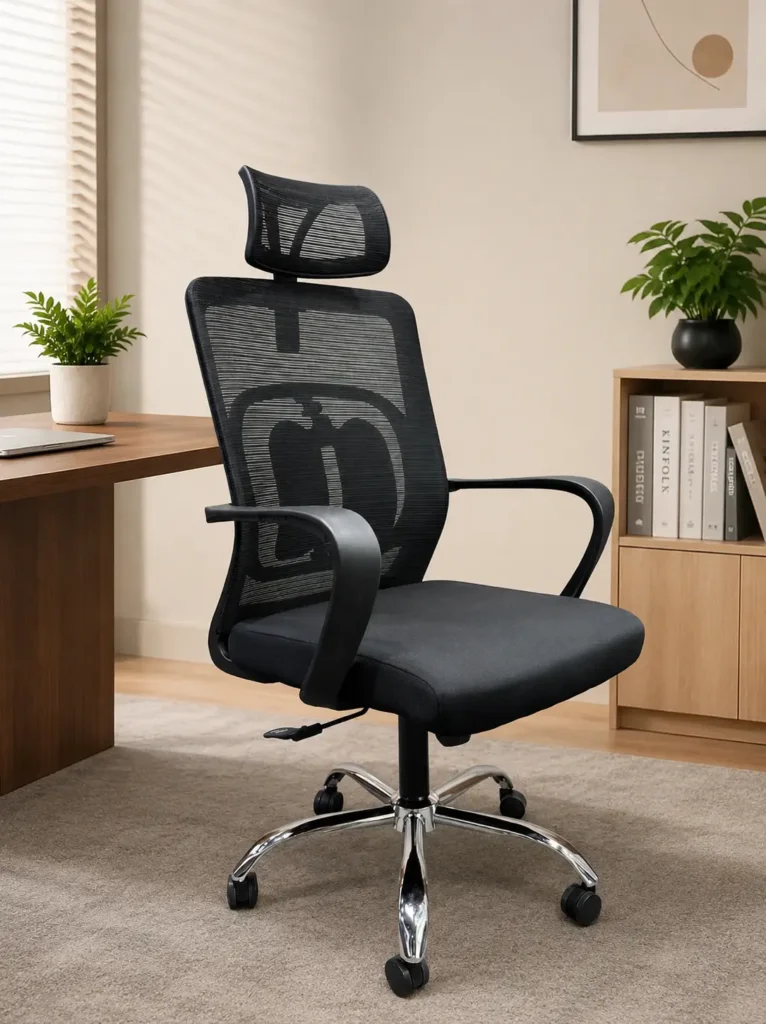
Offices
Office chairs should provide ergonomic support for employees working 8–10 hours a day.
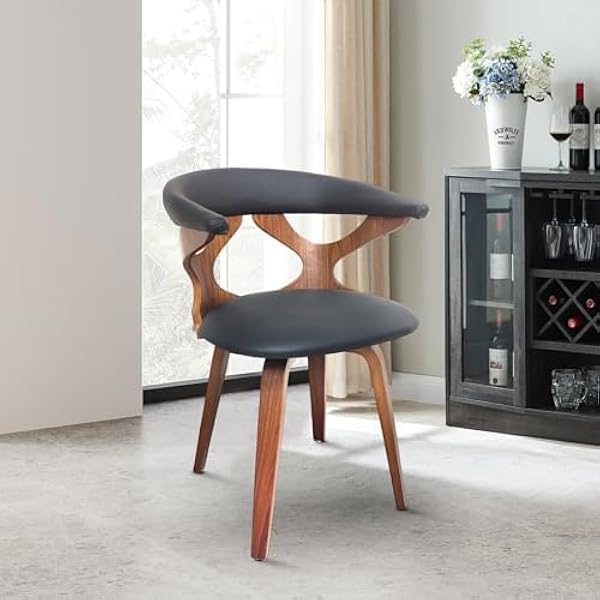
Restaurants
Restaurant chairs must withstand constant movement, spills, and heavy customer traffic.
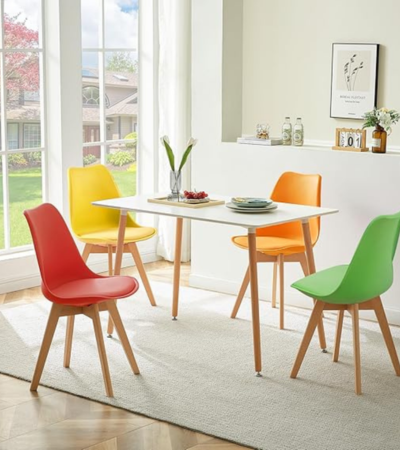
cafes
cafe furniture should be lightweight, durable, and easy to rearrange.
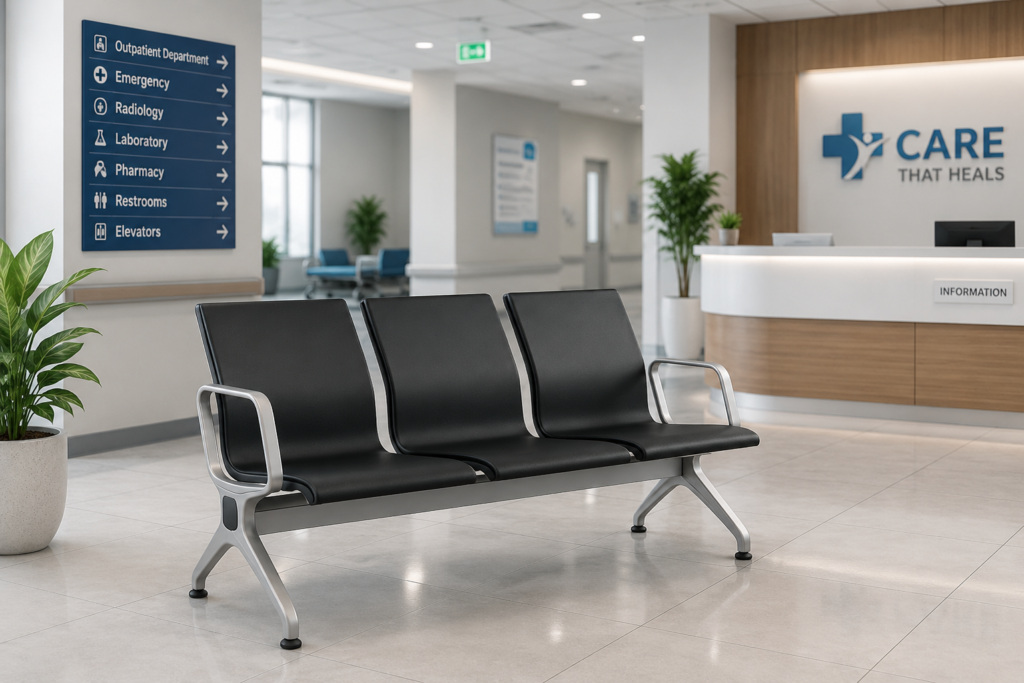
Waiting Areas
Waiting lounge chairs should offer comfort while maintaining their appearance despite continuous use.
Selecting furniture according to its intended environment increases its lifespan.
4. Prioritize Comfort and Ergonomics
Durability is important, but comfort is equally essential.
Employees spend long hours sitting, and uncomfortable seating can reduce productivity and increase fatigue.
Look for ergonomic features such as:
- Proper lumbar support
- Comfortable cushioning
- Adjustable height
- Breathable upholstery
- Stable armrests
- Smooth mobility for office chairs
Comfortable furniture enhances user satisfaction and supports better posture.
5. Check the Weight Capacity
Every commercial chair is designed with a recommended weight limit.
Choosing chairs with a higher weight capacity provides:
- Better durability
- Improved safety
- Reduced repair costs
- Longer service life
Always confirm the manufacturer’s specifications before purchasing.
6. Choose Easy-to-Maintain Furniture
Furniture used in commercial spaces should require minimal maintenance.
Look for features such as:
- Scratch-resistant surfaces
- Water-resistant finishes
- Stain-resistant upholstery
- Easy-to-clean materials
- Replaceable components
Easy maintenance helps keep furniture looking new while reducing cleaning time and repair expenses.
7. Look for Powder-Coated Finishes
Powder coating provides a protective layer that helps metal furniture resist:
- Rust
- Corrosion
- Scratches
- Chipping
- Fading
This makes powder-coated furniture an excellent choice for offices, restaurants, outdoor seating, and high-traffic commercial environments.
8. Evaluate the Manufacturer’s Reputation
Buying from a trusted commercial furniture manufacturer gives you greater confidence in the product’s quality and after-sales support.
Before making a purchase, consider:
- Years of industry experience
- Customer reviews
- Product quality
- Manufacturing standards
- Available certifications
- After-sales service
- Warranty coverage
Working with an experienced supplier often results in better product reliability and long-term support.
9. Compare Warranty and After-Sales Support
Warranty is one of the strongest indicators of product quality.
A good warranty demonstrates the manufacturer’s confidence in its products.
Check whether the company offers:
- Manufacturing defect coverage
- Spare parts availability
- Service support
- Replacement policies
- Technical assistance
Reliable after-sales service helps protect your investment over the years.
10. Think About Long-Term Value, Not Just Price
Many businesses make the mistake of choosing the cheapest option available.
Instead, calculate the total cost of ownership, including:
- Purchase cost
- Repair expenses
- Maintenance costs
- Replacement frequency
- Product lifespan
A slightly higher initial investment often results in significant savings over the next decade because durable furniture requires fewer repairs and replacements.
11. Choose Furniture That Matches Your Brand
Commercial furniture also reflects your company’s identity.
For example:
- Modern offices often prefer sleek ergonomic chairs.
- cafes may choose colorful, contemporary seating.
- Hotels typically select elegant lounge furniture.
- Restaurants often combine comfort with stylish finishes.
Well-designed furniture creates a professional impression and improves the overall customer experience.
12. Plan for Future Growth
If your business is expanding, choose furniture that can easily adapt to future needs.
Consider:
- stackable chairs
- Modular furniture
- Flexible seating layouts
- Matching collections
- Easy availability of additional units
This approach helps maintain a consistent look while simplifying future purchases.
Common Mistakes to Avoid
Avoid these common errors when buying commercial furniture:
- Choosing based only on price
- Ignoring material quality
- Overlooking warranty terms
- Buying residential furniture for commercial use
- Not checking weight capacity
- Ignoring ergonomics
- Purchasing without comparing manufacturers
- Selecting furniture that is difficult to maintain
Avoiding these mistakes can save your business considerable time and money.
Furniture Maintenance Tips for Long Life
Proper maintenance helps extend the lifespan of commercial furniture.
Follow these simple practices:
- Clean furniture regularly using recommended cleaning products.
- Tighten screws and fittings during routine inspections.
- Avoid exceeding the recommended weight capacity.
- Protect furniture from excessive moisture and direct sunlight where applicable.
- Repair minor issues promptly before they become major problems.
- Train staff on proper furniture handling and movement.
Regular maintenance ensures your investment continues to perform well for many years.
Final Thoughts
Choosing commercial furniture is a long-term business decision. The right furniture improves comfort, enhances your workspace, creates a positive impression on customers, and reduces replacement costs over time.
Instead of focusing only on price, evaluate the quality of materials, construction, ergonomics, warranty, maintenance requirements, and the reputation of the manufacturer. Investing in durable, well-designed commercial furniture today can provide reliable performance for 10 years or more, making it a smart and cost-effective choice for any business.
Whether you’re furnishing a new office, upgrading a restaurant, designing a cafe, or equipping a waiting area, taking the time to choose high-quality commercial furniture will help you maximize your investment and create spaces that remain functional, comfortable, and attractive for years to come.
Frequently Asked Questions (FAQs)
1. What is commercial furniture?
Commercial furniture is specially designed for businesses such as offices, restaurants, hotels, hospitals, schools, and cafes. It is built to withstand frequent use and offers greater durability than residential furniture.
2. How long should commercial furniture last?
Well-made commercial furniture can last 10–15 years or even longer with proper care, depending on the materials, usage, and maintenance.


2 Comments
We need cafeteria chair in bulk quantity
please share your contact details we will connect you