
Currently Empty: ₹0.00

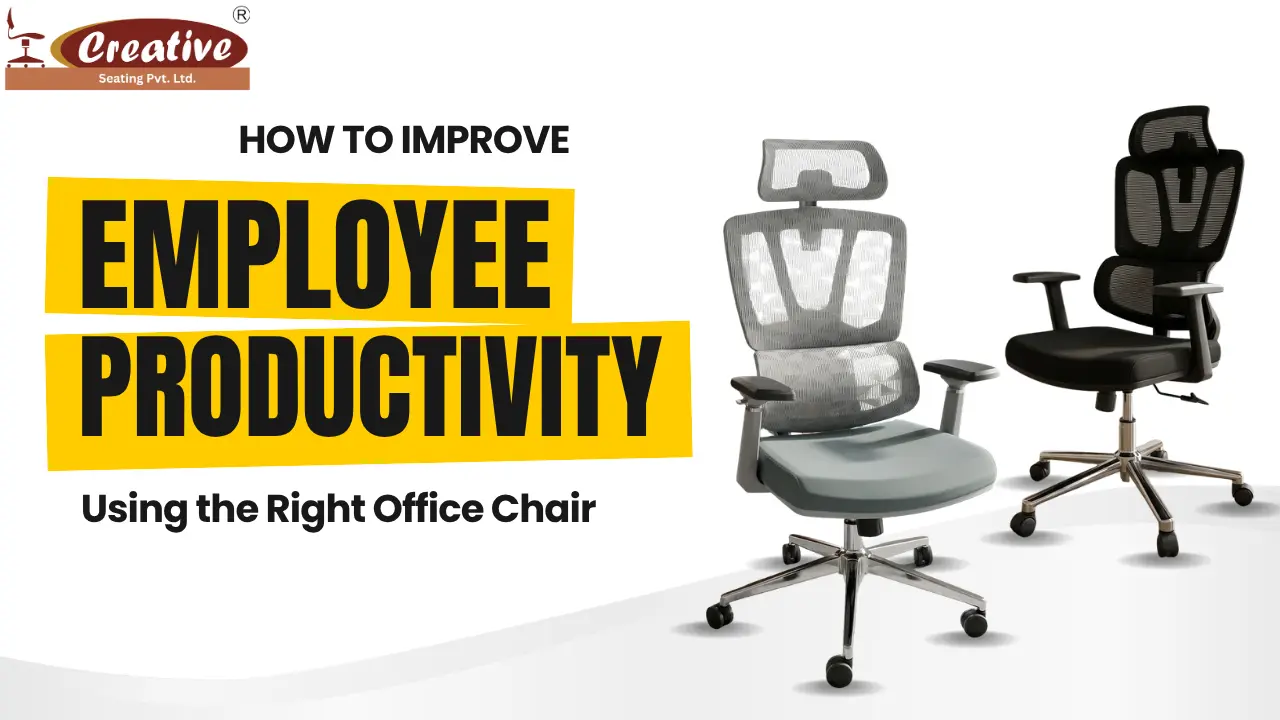
When we talk about improving employee productivity, most people think about better software, stricter rules, or longer working hours.
But the truth is much simpler.
👉 The chair your employee sits on every day has a direct impact on their performance.
Employees spend 6–10 hours sitting at their desks. If their chair is uncomfortable, poorly designed, or not supportive, it affects their focus, health, and efficiency.
In this guide, we’ll look at how the right office chair alone can improve employee productivity in a practical and easy-to-understand way.
Why Office Chairs Matter More Than You Think
A chair is not just furniture; it’s a working tool.
If the chair is wrong, employees will:
- Feel uncomfortable within hours
- Keep adjusting their sitting position
- Lose focus frequently
- Experience body pain
👉 All of this leads to lower productivity.
On the other hand, a good chair helps employees stay comfortable, focused, and consistent throughout the day.
1.Comfort Directly Affects Focus
Let’s be practical: if you are uncomfortable, you cannot focus.
The same applies to employees.
An uncomfortable chair leads to:
- Constant movement
- Distractions
- Shorter attention span
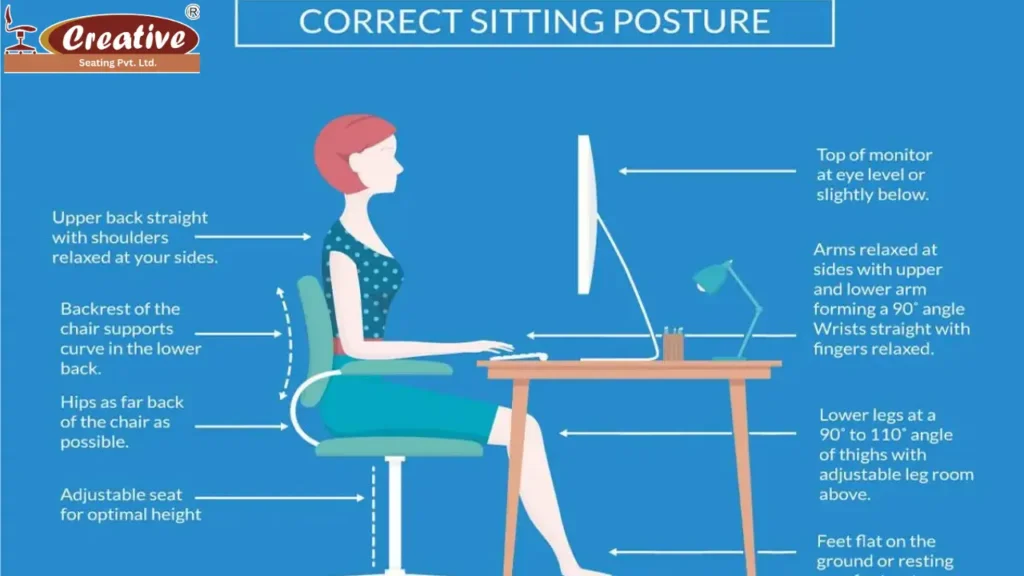
What a comfortable chair should have:
- Proper cushioning
- Good back support
- Balanced seat depth
👉 When employees feel comfortable, they naturally stay focused for longer periods.
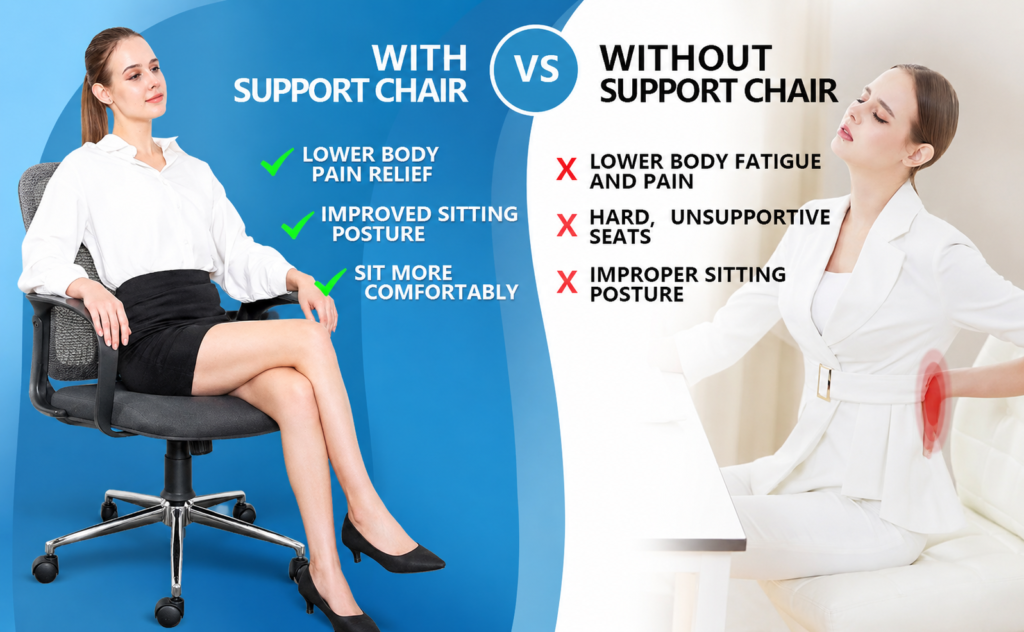
2.Proper Back Support Reduces Fatigue
Back pain is one of the biggest reasons employees feel tired during work.
A chair without proper support forces the body into a bad posture.
Result:
- Slouching
- Back pain
- Early fatigue
Solution:
Choose chairs with:
- Lumbar (lower back) support
- Slight curve for spine alignment
👉 When the back is supported, employees feel less tired and can work longer without discomfort.
3.Adjustable Chairs Improve Work Efficiency
Not every employee is the same height or body type.
A fixed chair creates discomfort for many people.
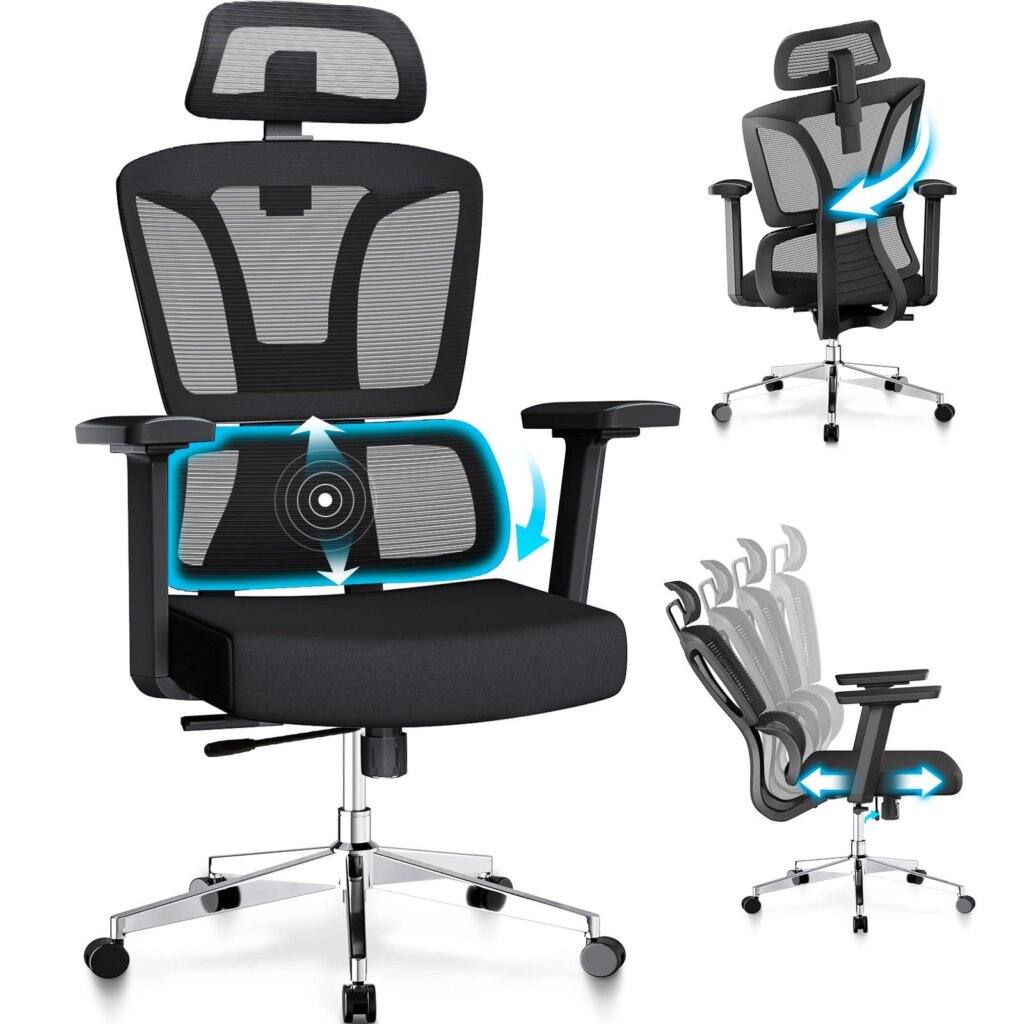
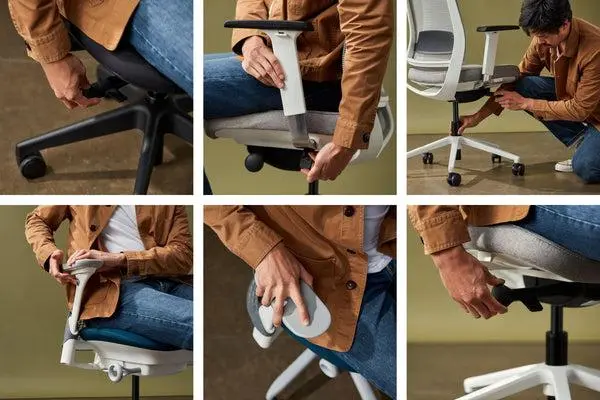
Adjustable features that matter:
- Seat height adjustment
- Back tilt
- Armrest positioning
👉 When employees can adjust their chair:
- They sit correctly
- They feel in control
- They work more efficiently
4.Good Chairs Reduce Health Issues
Poor chairs don’t just reduce productivity they create health problems.
Common issues:
- Neck pain
- Shoulder stiffness
- Lower back problems
These problems lead to:
- More breaks
- Lower energy
- Even sick leaves
👉 A good office chair helps prevent these problems before they start.
5. Mobility Improves Workflow
Chairs with wheels and swivel movement allow employees to:
- Move easily
- Access things quickly
- Collaborate without interruption
Without mobility:
- Employees waste time
- Movement becomes effort
👉 Smooth movement = smoother workflow.
6.Right Chair Design Boosts Work Mood
This might sound small, but it matters.
A modern, well-designed chair:
- Makes the workspace look better
- Creates a professional environment
- Improves employee mindset
When employees feel good about their workspace, they:
- Take more interest in work
- Feel more motivated
7.Long-Term Productivity vs Short-Term Saving
Many businesses try to save money by buying cheaper chairs.
But this often leads to:
- Faster damage
- Employee discomfort
- Reduced productivity
👉 In reality, cheap chairs cost more in the long run.
Investing in quality chairs means:
- Better durability
- Better employee performance
- Less replacement cost
Common Mistakes to Avoid When Choosing Office Chairs
❌ Ignoring comfort for price
❌ Buying non-adjustable chairs
❌ Choosing style over support
❌ Not testing chairs before buying
Avoiding these mistakes can make a big difference in employee productivity.
Quick Checklist for Choosing the Right Office Chair
Before buying office chairs, make sure:
- ✔ It has proper back support
- ✔ It is comfortable for long sitting hours
- ✔ It is adjustable
- ✔ It allows easy movement
- ✔ It is durable and strong
Conclusion
Employee productivity doesn’t always depend on complex systems or strict management.
Sometimes, the biggest improvement comes from something very basic the chair.
When employees sit for long hours, their chair becomes their main support system. If that support is poor, it leads to discomfort, fatigue, and reduced performance. But when the chair is designed properly, it helps employees stay comfortable, focused, and consistent throughout the day.
A good office chair is not just an expense; it is an investment in your team’s performance.
👉 Better comfort leads to better focus.
👉 Better support leads to less fatigue.
👉 Better chairs lead to better productivity.
If you truly want to improve how your team works, start with where they sit.
Frequently Asked Questions (FAQs)
1. How does an office chair affect employee productivity?
An office chair directly impacts comfort and posture. When employees are comfortable and properly supported, they can focus better, work longer without fatigue, and perform more efficiently.
2. What is the most important feature in a productive office chair?
The most important feature is proper back (lumbar) support. It helps maintain correct posture and reduces back pain during long working hours.
3. Are expensive office chairs always better?
Not always, but good-quality chairs are usually more durable and comfortable. Instead of focusing only on price, businesses should focus on comfort, support, and adjustability.
4. How often should office chairs be replaced?
Office chairs should typically be replaced every 5–7 years, depending on usage and quality. If employees start feeling discomfort, it’s a sign the chair needs replacement
5. Can a bad office chair cause health problems?
Yes. Poor chairs can lead to:
- Back pain
- Neck strain
- Shoulder stiffness
Over time, this affects both employee health and productivity.

