Currently Empty: ₹0.00

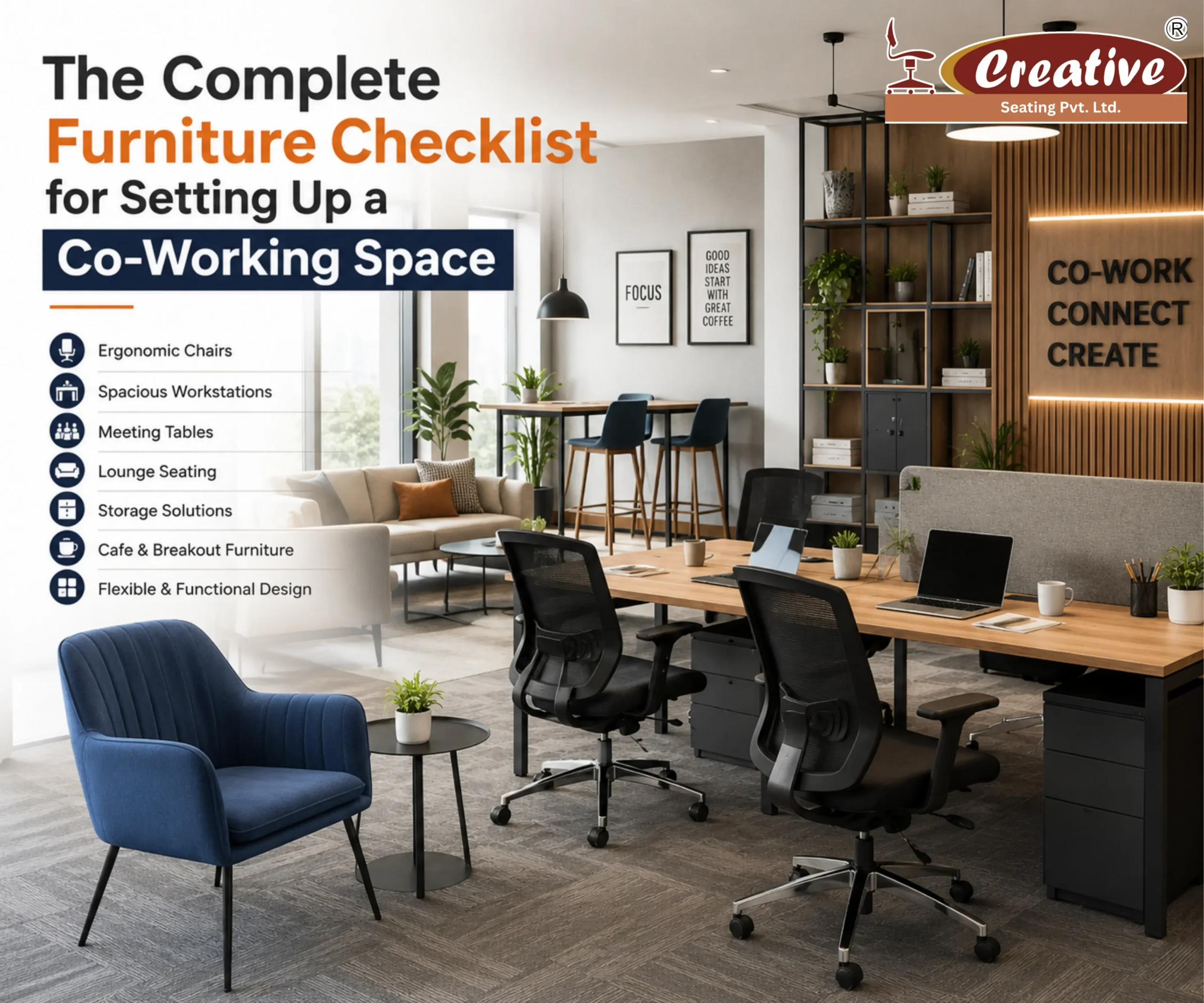
The way people work has changed dramatically over the last few years. Today, freelancers, startups, remote employees, and growing businesses all prefer flexible work environments over traditional offices. This is why co-working spaces have become increasingly popular across India.
However, creating a successful co-working space isn’t just about renting a large office and adding a few desks. The furniture you choose plays a major role in how comfortable, productive, and professional your workspace feels. Good furniture creates a positive first impression, improves employee well-being, and encourages members to stay longer.
If you’re planning to set up a co-working office, this complete checklist will help you choose the right furniture for co-working space while making the best use of your investment.
Why Furniture Matters in a Co-Working Space
Unlike traditional offices where the same employee uses the same desk every day, co-working spaces welcome different people with different work styles.
Some members work for just a few hours, while others spend the entire day. Some need quiet corners for focused work, while teams require collaborative meeting areas.
The right furniture helps by:
- Improving comfort during long working hours
- Supporting better posture and reducing fatigue
- Creating flexible work environments
- Making the office look modern and professional
- Increasing customer satisfaction
- Reducing maintenance costs through durable furniture
Choosing quality co-working furniture India businesses trust can make your workspace more attractive and increase repeat memberships.
1. Ergonomic Office Chairs
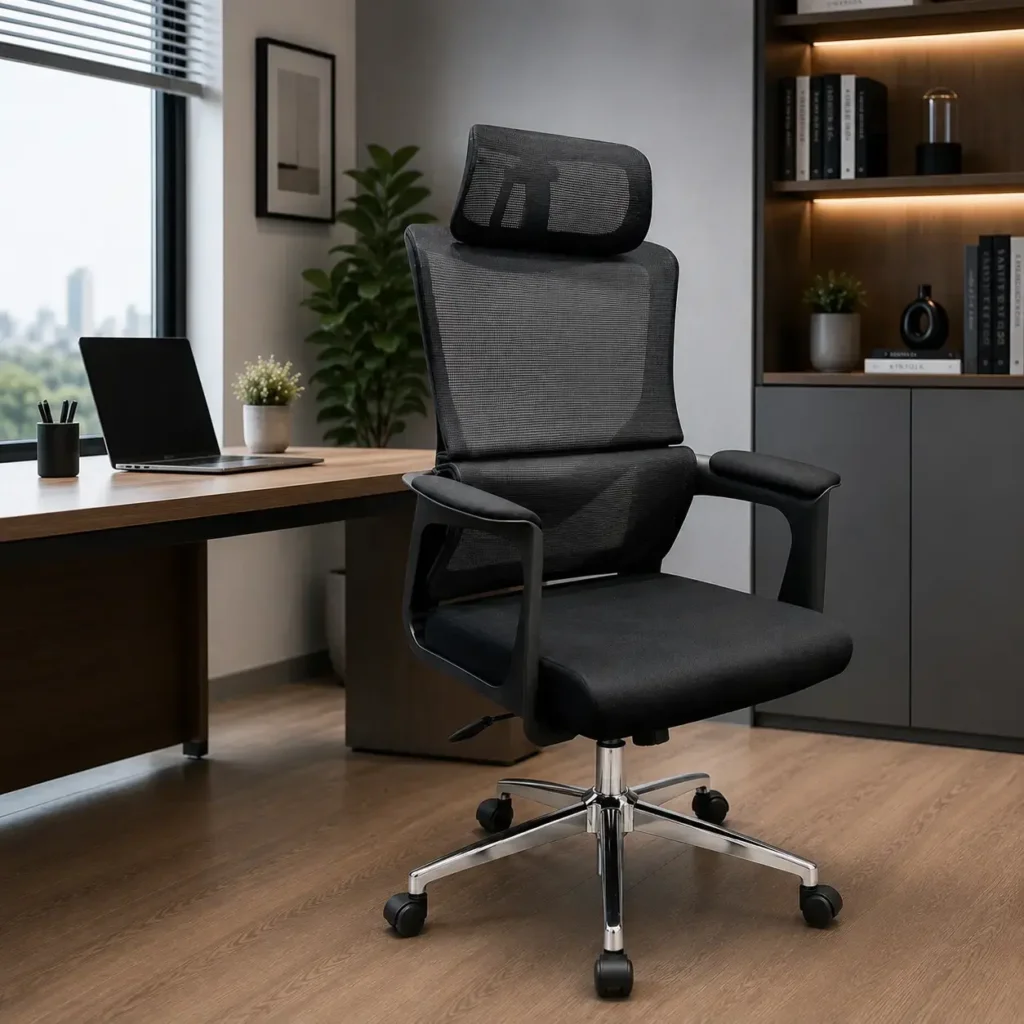
The office chair is the most important piece of furniture in any co-working space.
Members often sit for 6–8 hours every day. Poor-quality chairs can cause back pain, neck strain, and discomfort, leading to an unsatisfactory experience.
Look for chairs with:
- Adjustable seat height
- Lumbar support
- Comfortable seat cushioning
- Breathable mesh back
- Smooth wheels
- Strong base
- Adjustable armrests
Ergonomic chairs improve posture and help users remain productive throughout the day.
Investing in quality flexible workspace chairs also reduces frequent replacements and maintenance costs.
2. Spacious Workstations
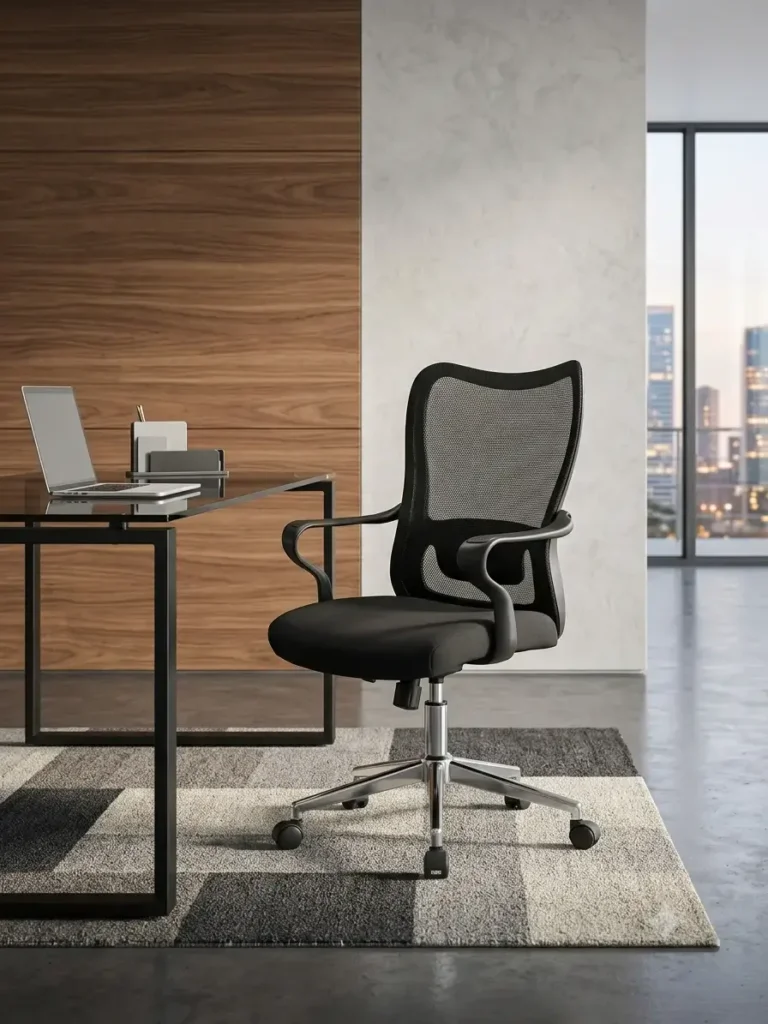
Desks are equally important because they directly affect user comfort.
Choose workstations that provide enough room for:
- Laptop or desktop
- Notebook
- Water bottle
- Personal accessories
- Charging devices
Modular desks are an excellent choice because they can be rearranged whenever your workspace layout changes.
Shared desks are becoming increasingly popular in modern co-working spaces because they maximize available floor space while keeping the office organized.
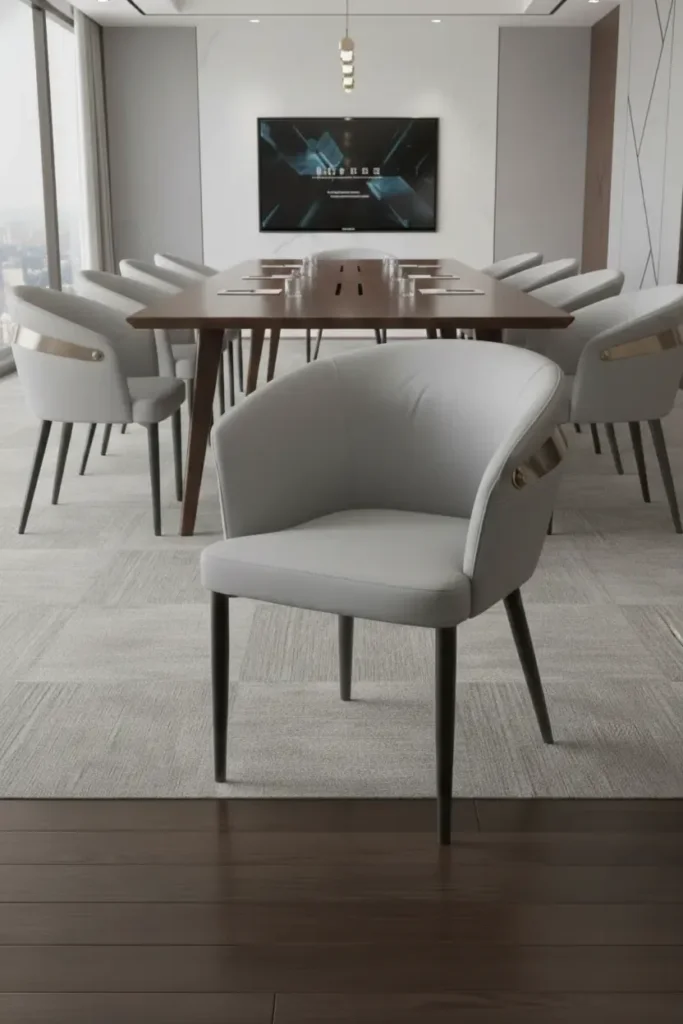
3. Collaborative Meeting Tables
Every co-working office needs dedicated collaboration zones.
Meeting tables are useful for:
- Team discussions
- Client presentations
- Brainstorming sessions
- Workshops
- Interviews
Choose sturdy tables that comfortably accommodate small and medium-sized groups.
Pair them with comfortable chairs to encourage longer meetings without discomfort.
4. Visitor and Reception Seating
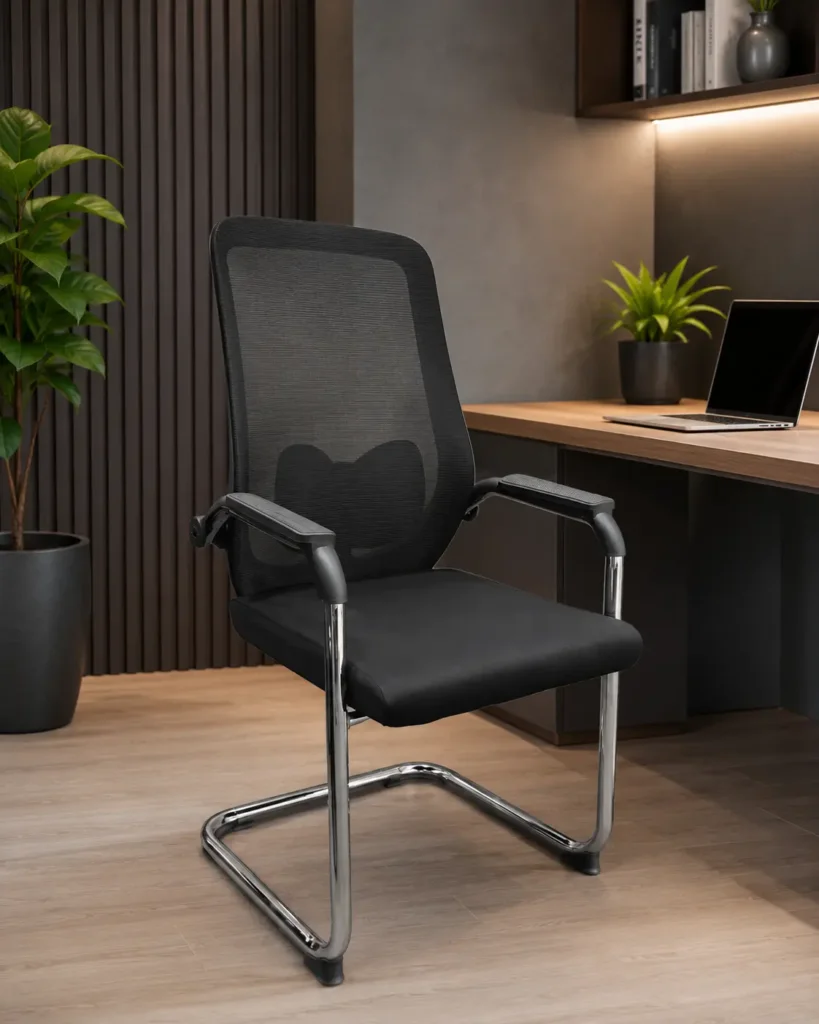
Your reception area creates the first impression.
When potential clients walk into your office, the waiting area should feel welcoming and professional.
Choose reception furniture that offers:
- Comfortable seating
- Durable upholstery
- Easy maintenance
- Attractive design
- Space-efficient layout
Visitor chairs should match the overall interior design while offering enough comfort for waiting guests.
5. Lounge Furniture
Not every member wants to work from a desk all day.
Many professionals prefer relaxed seating while reading, attending virtual meetings, or taking short breaks.
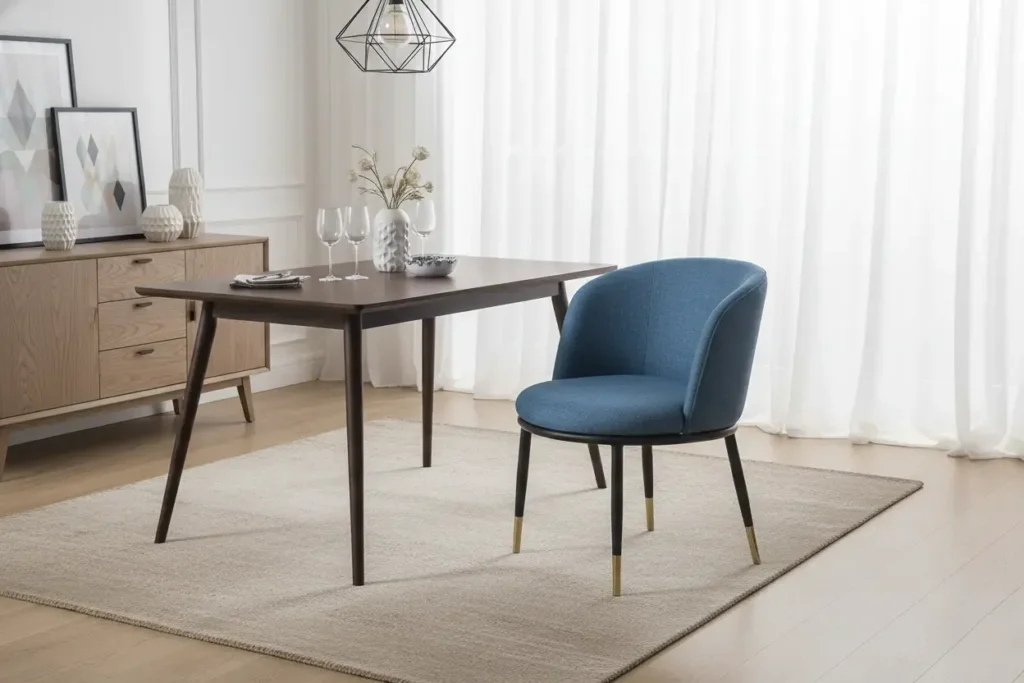
Add lounge furniture such as:
- Lounge chairs
- Sofas
- Coffee tables
- Accent chairs
These areas also become informal networking spaces where professionals can interact naturally.
6. Cafeteria Furniture
A comfortable cafeteria encourages people to relax and recharge.
Choose furniture that is:
- Easy to clean
- Scratch-resistant
- Durable
- Comfortable
- Space-saving
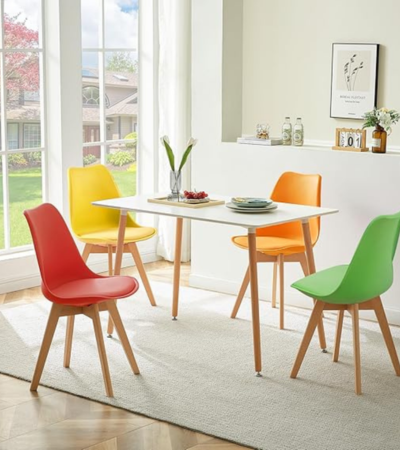
Cafe tables, dining chairs, and bar stools work well in pantry and refreshment areas.
Good cafeteria design also encourages community interaction among members.
7. Training Room Furniture
Many co-working spaces organize workshops, seminars, and training sessions.
Training rooms require furniture that is flexible and easy to rearrange.
Ideal options include:
- Training chairs
- Folding tables
- Stackable seating
- Writing tablet chairs
These make room setup faster while maximizing available space.
8. Storage Solutions
A clutter-free office looks more professional.
Include storage options such as:
- Mobile pedestals
- Lockers
- Storage cabinets
- Filing cabinets
- Open shelving
Personal lockers are especially useful for members who frequently use hot desks.
9. Phone Booth and Focus Chairs
Private phone calls are common in co-working environments.
Small phone booths with comfortable chairs allow members to attend meetings without disturbing others.
Adding quiet corners with acoustic seating also improves concentration.
10. Outdoor Furniture
If your building has a balcony, terrace, or garden, don’t leave the space unused.
Outdoor furniture creates an alternative work environment where members can:
- Work comfortably
- Take breaks
- Conduct informal meetings
- Relax during lunch
Choose weather-resistant tables and chairs designed specifically for outdoor use.
11. Adjustable Height Desks
Standing desks are becoming increasingly popular.
They allow users to alternate between sitting and standing throughout the day.
Benefits include:
- Better posture
- Reduced back pain
- Improved energy levels
- Increased movement
Offering a few adjustable desks gives members more flexibility.
12. Accessories That Improve Productivity
Furniture isn’t limited to chairs and tables.
Small accessories significantly improve the overall workspace experience.
Consider adding:
- Cable management systems
- Monitor arms
- Footrests
- Laptop stands
- Whiteboards
- Mobile partitions
- Power outlets at every workstation
These additions make daily work more convenient.
Choosing Durable Furniture
Co-working spaces experience heavy daily usage.
Unlike traditional offices, furniture is used by multiple people every day.
Choose commercial-grade furniture made from:
- Strong steel frames
- High-density foam
- Premium fabric
- Quality mesh
- Durable laminates
- Heavy-duty castors
Quality furniture may cost more initially but offers better long-term value through reduced repairs and replacements.
Space Planning Tips
Buying good furniture is only half the job.
Proper layout planning ensures members can move comfortably without feeling crowded.
Keep these points in mind:
- Leave enough walking space between desks.
- Separate quiet zones from collaborative areas.
- Position meeting rooms away from focus workstations.
- Use natural lighting wherever possible.
- Avoid overcrowding the workspace.
- Plan electrical points before installing furniture.
A well-planned layout makes the office feel larger and more organized.
Budget Planning for Co-Working Furniture
Many business owners believe they must spend a fortune to create an attractive workspace.
That’s not true.
Instead of buying the cheapest furniture, focus on value.
Prioritize:
- Ergonomic chairs
- Durable desks
- Quality meeting tables
- Long-lasting storage
- Easy-to-maintain furniture
If you’re looking for affordable commercial chairs for co-working spaces in Bangalore, compare manufacturers based on product quality, warranty, after-sales service, and durability—not just price. Investing in reliable commercial seating often proves more economical over time because it reduces maintenance and replacement costs.
Common Mistakes to Avoid
Avoid these common furniture mistakes when setting up your co-working office:
- Buying residential furniture instead of commercial furniture
- Ignoring ergonomic features
- Choosing style over comfort
- Purchasing low-quality chairs
- Overcrowding the workspace
- Forgetting storage areas
- Ignoring future expansion
- Not testing furniture before purchase
Planning carefully helps avoid unnecessary expenses later.
Final Thoughts
Setting up a successful co-working space requires much more than attractive interiors. Comfortable, durable, and functional furniture creates an environment where people enjoy working every day.
From ergonomic office chairs and spacious workstations to meeting tables, lounge seating, cafeteria furniture, and storage solutions, every piece contributes to the overall experience.
When selecting furniture for co-working space, focus on comfort, flexibility, durability, and long-term value. Choosing high-quality co-working furniture India businesses rely on ensures your workspace remains professional, efficient, and welcoming for years to come. Thoughtfully selected shared office seating and flexible workspace chairs can also improve member satisfaction and support the evolving needs of modern workplaces.
Whether you’re launching a new co-working hub or upgrading an existing one, following this furniture checklist will help you create a workspace that attracts members, supports productivity, and stands out in a competitive market.
Frequently Asked Questions (FAQs)
1. What type of chairs work best in a co-working setup?
Ergonomic office chairs are the best choice for co-working spaces. Look for chairs with adjustable height, lumbar support, breathable mesh backs, comfortable cushioning, and smooth mobility. These features provide better comfort during long working hours and accommodate different users throughout the day.
2. How often should co-working furniture be replaced?
High-quality commercial furniture typically lasts 7 to 10 years, depending on daily usage and maintenance. Chairs with heavy use may need servicing or replacement sooner if cushioning, wheels, or adjustment mechanisms wear out. Regular inspections and timely maintenance can extend the life of your furniture.