Currently Empty: ₹0.00

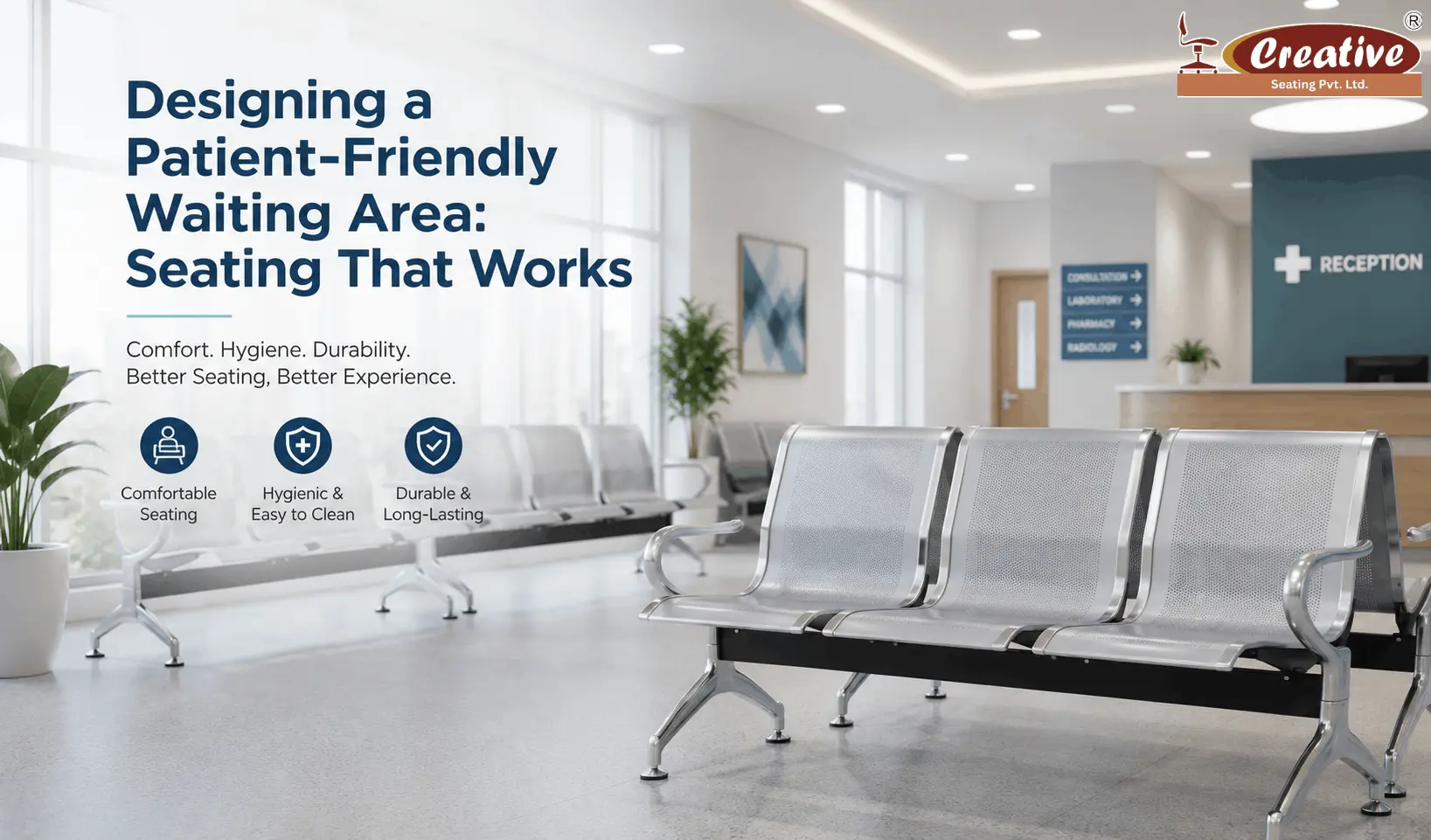
When people visit a hospital or clinic, they often arrive with concerns, anxiety, or discomfort. Before they meet a doctor, they usually spend time in the waiting area. This makes the waiting space much more than just a place to sit-it becomes the first impression of the healthcare facility.
A well-designed waiting area can make patients feel calm, comfortable, and cared for. One of the most important elements of this space is the seating. Choosing the right waiting lounge chairs for hospitals improves patient comfort, enhances the overall appearance of the facility, and helps healthcare staff manage patient flow more efficiently.
Whether you’re designing a new hospital, renovating a clinic, or upgrading a healthcare center, selecting the right seating should be a priority. In this guide, we’ll explore what makes hospital waiting chairs effective, what features to look for, and how quality seating contributes to a better patient experience.
Why the Waiting Area Matters
Patients and visitors may spend anywhere from a few minutes to over an hour in a waiting area. During this time, they should feel relaxed rather than uncomfortable.
A thoughtfully designed waiting space offers several benefits:
- Reduces patient stress and anxiety
- Creates a welcoming first impression
- Improves comfort for patients and visitors
- Supports elderly people and those with mobility challenges
- Makes healthcare facilities look more organized and professional
Comfortable seating sends a simple message-it shows that the healthcare provider values every patient’s experience.
Choosing the Right Waiting Lounge Chairs for Hospitals
Hospital seating is very different from furniture used in homes or offices. Healthcare environments demand furniture that is durable, hygienic, comfortable, and easy to maintain.
Here are the most important factors to consider.
1. Comfort Comes First
Patients often arrive feeling tired, sick, or in pain. Comfortable seating can make waiting much easier.
Look for chairs with:
- Ergonomic back support
- Proper seat depth
- Comfortable cushioning
- Supportive armrests
- Stable seating height
The goal is to help people sit comfortably without straining their back or knees.
The demand for comfortable waiting area chairs for hospitals and clinics continues to grow because healthcare providers understand how important patient comfort is to overall satisfaction.
2. Easy-to-Clean Materials
Hospitals require strict hygiene standards. Waiting area furniture should be easy to sanitize multiple times a day without damage.
Popular material choices include:
- Powder-coated steel frames
- Stainless steel
- High-quality molded plastic
- Antibacterial upholstery
- Vinyl-covered cushions
These materials resist moisture, stains, and frequent cleaning with disinfectants.
Avoid fabrics that absorb liquids or are difficult to clean.
3. Strong and Durable Construction
Hospital waiting areas receive heavy daily use. Chairs must withstand continuous occupancy without losing their shape or stability.
Quality healthcare seating should include:
- Heavy-duty steel frames
- Rust-resistant coatings
- Strong welded joints
- Scratch-resistant finishes
- Long-lasting cushions
Investing in durable furniture reduces maintenance costs and replacement frequency.
4. Easy Accessibility
A hospital serves people of all ages and physical conditions.
Waiting chairs should be accessible for:
- Senior citizens
- Pregnant women
- Patients with disabilities
- People recovering from surgery
- Children accompanied by parents
Features like armrests and appropriate seat height make sitting and standing much easier.
Accessibility also supports compliance with inclusive design principles.
Different Types of Clinic Waiting Chairs
Every healthcare facility has different seating requirements depending on its size and patient volume.
1.Single Waiting Chairs
Ideal for:
- Doctor’s cabins
- Consultation rooms
- Small clinics
- Diagnostic centers
These chairs provide flexibility and can be rearranged easily.
2.Beam Seating
Beam seating connects multiple chairs on one frame.
Best suited for:
- Hospitals
- Large clinics
- Government healthcare centers
- OPD waiting areas
Advantages include:
- Space-saving design
- Better organization
- Easy cleaning beneath the chairs
- Reduced furniture movement
3.Lounge Chairs
Lounge seating creates a more welcoming atmosphere.
Suitable for:
- Private hospitals
- Specialty clinics
- Reception lounges
- Premium healthcare facilities
These chairs provide additional comfort while maintaining a professional appearance.
Importance of Ergonomic Healthcare Seating
Patients may wait longer than expected during busy hours. Poor seating can lead to:
- Back pain
- Neck discomfort
- Poor posture
- Fatigue
Ergonomic seating supports the body’s natural posture and improves comfort during extended waiting periods.
Important ergonomic features include:
- Curved backrests
- Proper lumbar support
- Comfortable seat angles
- Stable armrests
- Balanced seat height
Good ergonomics benefit not only patients but also attendants who may spend several hours accompanying loved ones.
Space Planning for Hospital Waiting Areas
Buying comfortable chairs is only one part of creating an effective waiting area.
Proper layout planning improves movement and reduces congestion.
Some useful tips include:
- Leave enough walking space between seating rows.
- Create separate areas for families and individual patients.
- Keep wheelchair pathways unobstructed.
- Place chairs near reception without blocking access.
- Maintain clear emergency exits.
An organized layout creates a calm and efficient environment.
Design That Creates a Positive Experience
Modern hospitals focus not only on treatment but also on patient experience.
Small design choices can make a significant difference.
Consider using:
- Soft, neutral colours
- Natural lighting
- Indoor plants
- Comfortable seating arrangements
- Charging points
- Drinking water stations
- Reading materials
When paired with quality seating, these elements make the waiting area feel less stressful.
Why Quality Hospital Furniture Is a Smart Investment
Many healthcare facilities focus primarily on medical equipment while overlooking reception furniture.
However, investing in high-quality hospital furniture India offers several long-term benefits.
These include:
1.Lower Maintenance Costs
Durable furniture lasts longer and requires fewer repairs.
2.Better Infection Control
Easy-to-clean surfaces support daily sanitation practices.
3.Improved Patient Satisfaction
Comfortable waiting areas positively influence patient reviews and overall perception.
4.Professional Appearance
Modern furniture reflects the quality and professionalism of the healthcare facility.
5.Long-Term Value
Although premium seating may have a higher initial cost, its durability often makes it more economical over time.
Features to Look for Before Buying Clinic Waiting Chairs
Before selecting seating, evaluate the following checklist:
✔ Comfortable seating
✔ Easy-to-clean surfaces
✔ Rust-resistant metal frame
✔ Strong weight capacity
✔ Ergonomic design
✔ Scratch-resistant finish
✔ Stable construction
✔ Low maintenance
✔ Modern appearance
✔ Suitable warranty
Choosing chairs based on these features helps healthcare facilities make a smart long-term investment.
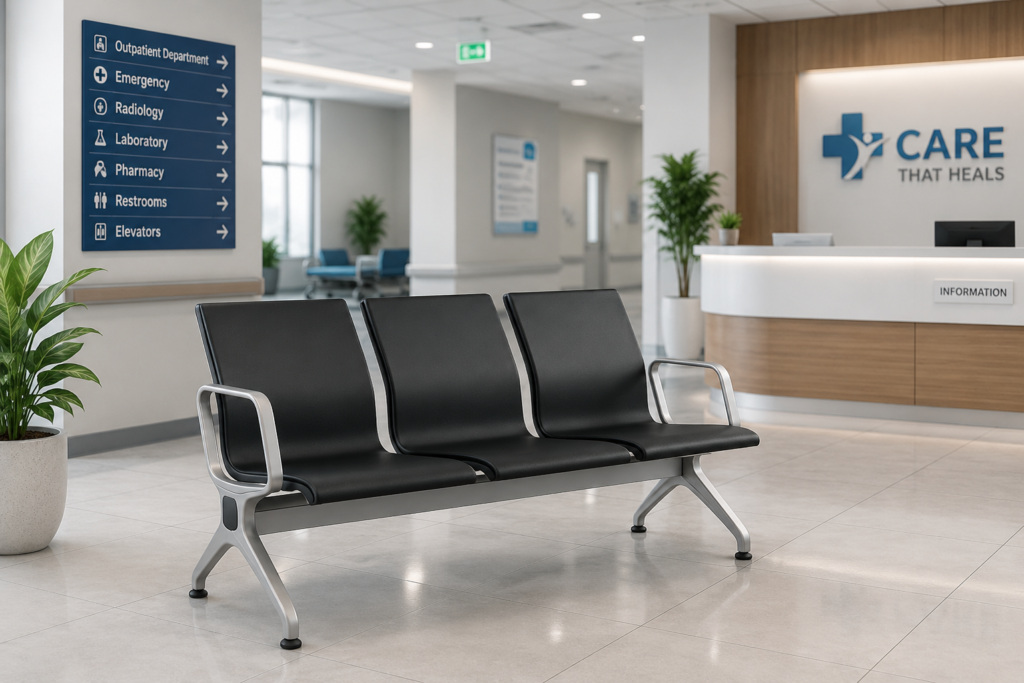
Common Mistakes to Avoid
Many hospitals unknowingly make mistakes when selecting waiting area furniture.
Avoid these common issues:
1.Choosing Style Over Comfort
Modern-looking chairs should also provide proper support.
2.Ignoring Cleaning Requirements
Furniture that cannot withstand regular disinfecting may wear out quickly.
3.Buying Residential Furniture
Home furniture is not designed for continuous commercial use.
4.Overcrowding the Waiting Area
Too many chairs can make the space feel cramped and difficult to navigate.
5.Ignoring Accessibility
Patients with limited mobility need chairs that are easy to sit on and stand from.
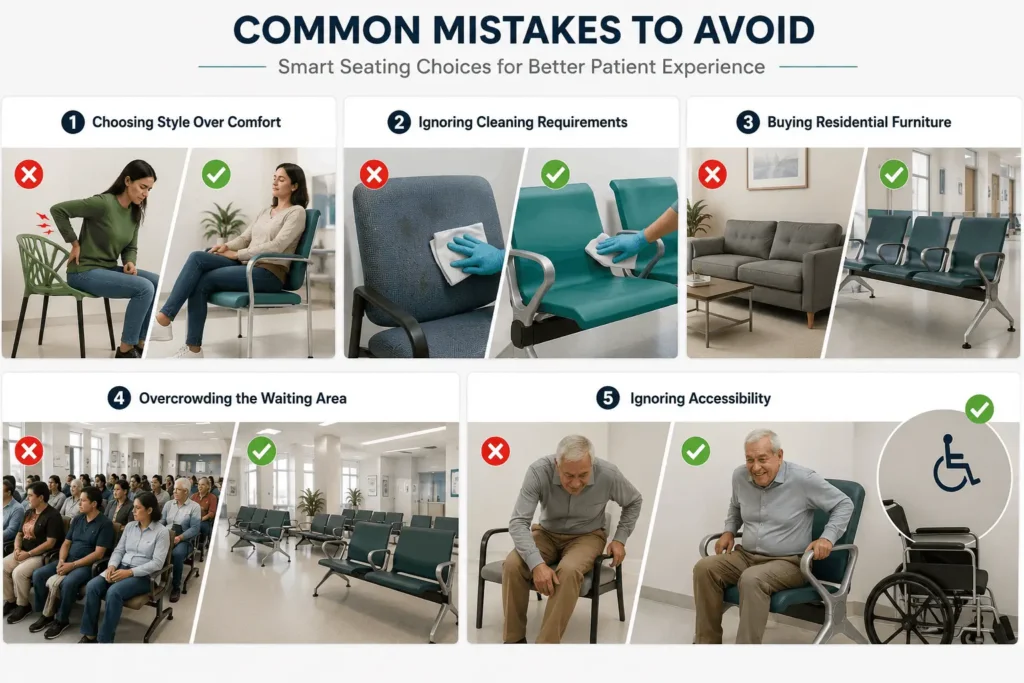
Why Waiting Area Seating Reflects Your Healthcare Brand
The reception area is often the first point of interaction for patients.
Clean, comfortable, and well-maintained seating reflects professionalism and attention to patient care.
When visitors enter a healthcare facility, they immediately notice:
- Cleanliness
- Organization
- Comfort
- Space planning
- Furniture quality
These small details influence trust even before treatment begins.
That’s why many healthcare providers across India are upgrading their waiting areas with durable and comfortable healthcare seating solutions designed specifically for hospitals and clinics.
Conclusion
Designing a patient-friendly waiting area goes beyond aesthetics. It requires thoughtful planning, comfortable seating, hygienic materials, and durable furniture that can withstand everyday use.
Choosing the right waiting lounge chairs for hospitals helps create a welcoming environment where patients feel respected, comfortable, and cared for. Whether it’s a small clinic, diagnostic center, or multi-specialty hospital, investing in quality seating improves both patient satisfaction and operational efficiency.
At Creative Seating Pvt. Ltd., we understand the unique demands of healthcare environments. Our range of waiting lounge chairs, beam seating, and healthcare furniture is designed to offer comfort, durability, and easy maintenance for hospitals and clinics across India. Whether you’re furnishing a new healthcare facility or upgrading an existing waiting area, choosing the right seating can make a lasting difference in the patient experience.
Frequently Asked Questions
1. What chair material is easiest to sanitize in hospitals?
Materials such as stainless steel, powder-coated metal, molded plastic, and medical-grade vinyl upholstery are among the easiest to sanitize. They resist moisture, stains, and frequent cleaning with hospital-grade disinfectants, making them ideal for healthcare environments.
2. How wide should a waiting area chair be?
A standard waiting area chair typically ranges between 20 and 24 inches (approximately 50–60 cm) in width. This size provides adequate comfort for most users while allowing efficient use of available space. For bariatric or accessible seating, wider chair options may be required to accommodate different patient needs.